What a social media influencer turned surgeon general could mean for public health in the US

Daftar Isi
A Surgeon General Nominee With a Built-In Audience Faces a Different Public Health Landscape
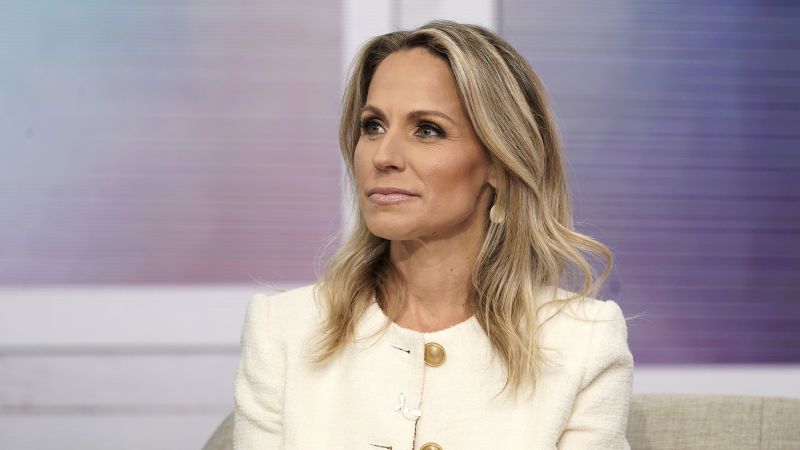
Earthguardiansonline.com – Dr. Nicole Saphier arrived at her Senate confirmation hearing Wednesday with a public profile that is unusual for a nominee to become US surgeon general: she is already a prominent health and wellness voice online. The radiologist and Fox News contributor has built a large audience through social platforms and a podcast, placing her at the intersection of medicine, media and public debate.
The surgeon general is frequently described as the nation’s doctor, a role intended to make health information understandable and help Americans make informed choices. That mission has always required public communication, but the environment for delivering it has changed dramatically. Medical advice now competes with podcasts, short videos, personal testimonials and content from people whose expertise may not be clear to audiences.
Saphier argued that communicating with the public has prepared her for the position. She told senators that she had spent years translating medical developments for broad audiences, including during the Covid-19 pandemic.
“For a decade, I have specialized in translating complex, fast-evolving medical information on various media platforms into content that millions of Americans can understand and use, including during the uncertainty of the global pandemic,” Saphier said.
She described the need for health messages that are both direct and rooted in the strongest available evidence.
“I realized then how badly this country needs public health communication that is straightforward and grounded in the best evidence available,” she said. “My years of communicating directly with the public have prepared me to explain complex topics in a way that they can understand.”
Reach Is Not the Same as Public Duty
Having experience reaching people online could be useful for a surgeon general trying to cut through a crowded information marketplace. Yet public health specialists say the job involves more than attracting attention, developing a recognizable voice or maintaining an engaged following.
Dr. Jerome Adams, who held the surgeon general post during Trump’s first administration, drew a distinction between communicating effectively and carrying the responsibilities of the office. The surgeon general represents the country as a whole, leads the Public Health Service Commissioned Corps and is expected to follow evidence even when that stance creates political difficulty.
“An influencer builds a brand and an audience. The surgeon general speaks for the nation (and not just ‘followers’), leads the Public Health Service Commissioned Corps, and has a duty to follow evidence even when it is politically inconvenient,” Adams said. “Influence is a tool, but it is not the job.”
That difference may shape how the nomination is evaluated. An online following can help public health guidance travel farther, particularly when people are looking for quick explanations of confusing medical issues. But the office also carries institutional authority, and its advice can affect conversations about prevention, disease risks and the reliability of scientific evidence.
Where Americans Now Encounter Health Advice
Health information no longer reaches the public primarily through doctors’ offices, government campaigns or traditional news coverage. A Pew Research Center report released this year found that 4 in 10 US adults receive health and wellness information from social media influencers and podcasts. For adults younger than 50, the figure rises to one-half.
The people producing that content have very different backgrounds. Pew’s review of thousands of influencer profiles found that fewer than half identified themselves as health professionals. Roughly one in eight highlighted personal experience in their biographies, while nearly one in six gave no indication of their qualifications or experience.
That variety can make it difficult for users to judge what deserves confidence. Personal stories can be compelling and may help people feel understood, but an individual experience does not necessarily apply to everyone. Clinical evidence, meanwhile, can be harder to explain in an engaging way and may not fit neatly into the fast-moving formats that dominate online platforms.
Eileen Yam, who directs science and society research at Pew, said patients are now exposed to many voices beyond the clinician treating them.
“Now, when a healthcare provider sees a patient, any number of other individuals and platforms and messengers have that patient’s ears and eyes,” Yam said. “The ballgame is changing so quickly as far as where people hear health information, wellness information, beyond that kind of mainstream white coat expertise.”
Personal Experience, Professional Expertise and Public Trust
Amanda Yarnell, senior director of the Center for Health Communication at Harvard’s T.H. Chan School of Public Health, has emphasized the limits of turning individual accounts into broad medical conclusions. Her center began a program in 2023 that works with creators who use social media to counter health misinformation and share evidence-based science.
“On the internet, there’s a lot of anecdotal information that gets generalized, but not everything is generalizable,” Yarnell said.
At the same time, Yarnell said some creators are effective because they combine lived experience with other forms of knowledge, allowing information to feel both relevant and responsible.
“I think some of the most successful creators, both in audience and in providing good information and making people connect with it, are people who have blended their personal experience with other expertise,” Yarnell said.
Saphier presents herself publicly in terms that combine family life and medical credentials. Her X profile, followed by nearly 360,000 people, describes her as a “full time wife, mom and doctor.” Her Instagram account has 147,000 followers and uses similar language while also identifying her as the creator of Drop Rx, a liquid herbal supplement brand.
The scrutiny surrounding her nomination is therefore likely to extend beyond her ability to explain health subjects clearly. It will also focus on how a surgeon general with a personal brand navigates the boundary between public service, professional expertise and commercial interests. In an era when millions of people first encounter medical claims in their feeds, the challenge for any surgeon general is not simply to be heard. It is to earn trust while making clear where the evidence leads.
Related Reading
Frequently Asked Questions
What is What a social media influencer turned?
What a social media influencer turned is the main topic of this guide. The article explains the context, practical details, and next steps readers should understand.
Why does What a social media influencer turned matter?
What a social media influencer turned matters because readers are looking for a useful answer, not just a short summary. Good content should match search intent and help them decide what to do next.