Trump stirs new storm by posing as strongman in taxpayer-funded video

Daftar Isi
Taxpayer-Funded Trump Video Sparks Debate Over Politics and Public Service
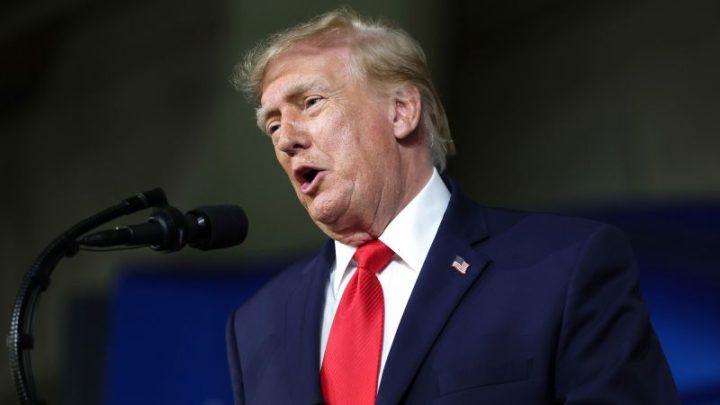
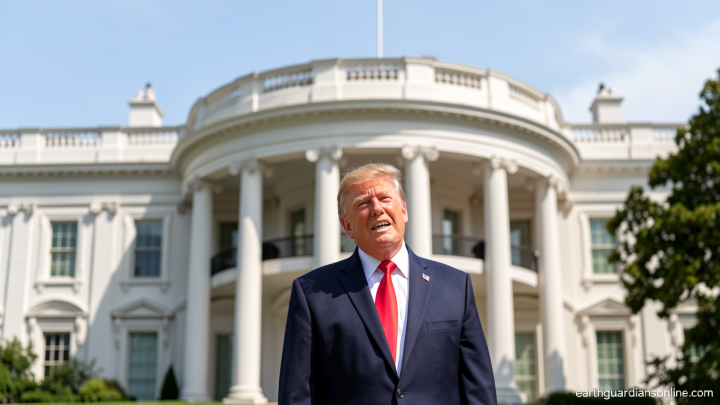
Earthguardiansonline.com – A 30-second television spot featuring President Donald Trump has ignited a fresh argument over the boundary between government communications and political promotion. The video, broadcast during NFL programming on Sunday, presents Trump in stark black-and-white imagery as an imposing, determined figure while an echoing narration declares a “final battle” against communists, the deep state and the “fake news” media.
The closing message has become the center of the dispute: “Paid for by the U.S. Government.” The line raises questions about whether public funds can properly be used for a message with language and imagery so closely associated with Trump’s political identity, particularly only five weeks before congressional elections.
A Message Framed as Public Service
The White House describes the videos as public service announcements intended to encourage patriotism and civic awareness. In its defense of the latest spot, the administration said the campaign is meant to remind people why the country deserves protection both domestically and internationally.
“Public service announcements are about reminding Americans to love their country and understand what makes it worth defending, at home, at our borders, and abroad.”
The White House also characterized the commercial as educational and strongly patriotic.
“The ad is educational and unapologetically patriotic. We should be proud of our country.”
Officials argue that the midterm advertisements cannot be considered campaign material because Trump himself is not a candidate in those elections. But that distinction has drawn skepticism because the president recently urged supporters at a Texas “midterm convention” to act as if he were personally on the ballot.
“Pretend that I’m on the ballot.”
Steven Cheung, the White House communications director, also rejected criticism of the broadcasts in a post on X, accusing news organizations of misrepresenting the administration’s television effort.
“Don’t let the Fake News get away with their lies about our epic Public Service Announcements that have been running on tv.”
Critics See Electoral Messaging
Democrats have objected to other taxpayer-supported videos with similar themes, arguing that the latest installment fits a wider pattern of blending the machinery of government with partisan communication. Public Citizen, a consumer advocacy organization, has filed a complaint with government ethics watchdogs over the issue.
Criticism has not been confined to Trump’s political opponents. Republican Sen. John Kennedy of Louisiana said on CBS News’ “Face the Nation” that public funds should not finance promotional campaigns for officeholders.
“No public official should spend public money on private ads for themselves.”
The disagreement is partly about interpretation. Supporters can contend that presidents are entitled to speak to the public about national values, threats and civic responsibility. Critics counter that a government-funded message becomes difficult to separate from electoral politics when it depicts a sitting president as the indispensable defender against ideological enemies and hostile institutions.
The content of this ad intensifies that argument. Its warnings about Marxists, globalists, the deep state and the media mirror themes Trump has long used in rallies, social-media posts and campaigns. The dramatic visual style also recalls a video Trump shared during his 2024 presidential run.
Timing Adds to the Pressure
The advertisement arrives as Republicans prepare for elections that could reshape control of Congress. Party leaders are concerned about losses in both the House and Senate, making voter turnout especially important. A message that emphasizes Trump as a singular force confronting powerful enemies could be designed to energize the voters who remain most loyal to him, even though his name will not appear on midterm ballots.
Trump’s political standing further colors the reaction. Polling has shown resistance to his policies on the economy, the war in Iran and his decision not to regulate artificial intelligence. As discussion grows about his approaching lame-duck period, the commercial offers a notably different image: a president portrayed as dominant, unyielding and central to the country’s future.
Trump has frequently used confrontation with institutions and critics to reinforce his outsider appeal. By provoking opposition from political rivals, ethics advocates and media organizations, he can present himself to supporters as a target of the establishment forces he says he is fighting. The approach was a major feature of both of his successful presidential campaigns.
Past Presidential Ads, Different Circumstances
The administration has pointed to public-service advertising associated with earlier presidents, including George W. Bush, Barack Obama, Joe Biden, Woodrow Wilson and Franklin Roosevelt. Presidents have historically used government messages during emergencies, wars and public-health campaigns, and such communications can serve a clear public purpose.
Still, the comparison depends heavily on the circumstances and the substance of the message. Biden’s pandemic-related television campaign sought to increase vaccination during a global health crisis. Franklin Roosevelt’s communications were produced during World War II, when the United States faced Nazi Germany and Japanese imperialism. Those campaigns addressed immediate, identifiable national threats.
The present dispute instead turns on whether claims of an internal national struggle against communists, the deep state and “fake news” constitute the kind of public-interest emergency that justifies government-paid messaging. It also reflects broader concerns over nonpartisan administration in an era when political and governmental communication can overlap almost completely.
For taxpayers, the question is straightforward even if the legal and ethical lines are more complicated: should public money pay for messages that encourage national unity, or can those same funds be used for communications that elevate one president’s political narrative? The answer may shape not only the response to this particular video, but the standards applied to future administrations as well.
Related Reading
Frequently Asked Questions
What is Trump stirs new storm by posing?
Trump stirs new storm by posing is the main topic of this guide. The article explains the context, practical details, and next steps readers should understand.
Why does Trump stirs new storm by posing matter?
Trump stirs new storm by posing matters because readers are looking for a useful answer, not just a short summary. Good content should match search intent and help them decide what to do next.