
Can you bring a legendary airline back to life? Pan Am is about to find out
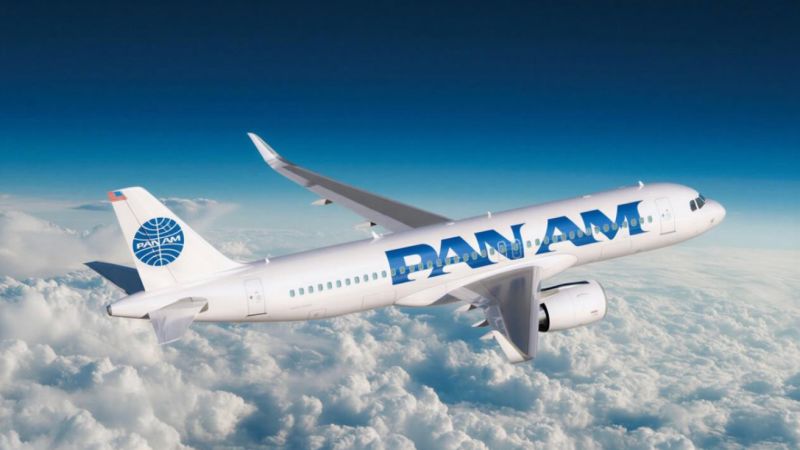
Can you bring a legendary airline back to life? Pan Am is about to find out
Can you bring a legendary airline – Pan Am, once a towering figure in the aviation world, has long been remembered as a symbol of global connectivity and pioneering innovation. Since its inception in 1927 as Pan American Airways, the airline played a pivotal role in shaping the modern era of air travel. Its founder, Juan Trippe, was a charismatic visionary who not only charted routes across vast oceans but also redefined the standards of passenger service. Pan Am’s influence extended beyond mere transportation; it helped launch iconic aircraft like the Boeing 707 and the 747, which revolutionized long-distance flying and made international travel more accessible. For decades, the airline was a dominant force in the U.S. aviation scene, representing American cultural and economic reach around the world.
The Decline and Legacy of a Giant
Despite its groundbreaking contributions, Pan Am’s golden era eventually gave way to challenges. By the late 20th century, the airline faced a series of setbacks that culminated in its closure in 1991. These included a mix of internal missteps and external pressures, such as the oil crisis of the 1970s, which inflated operating costs, and the tragic Lockerbie bombing in 1988, which disrupted its transatlantic routes. The brand’s decline wasn’t just a financial one—it became a relic of an era where flying was synonymous with luxury and adventure. Yet, even after its disappearance, the Pan Am name endured as a nostalgic emblem of a bygone age of travel, evoking images of cosmopolitan sophistication and jet-age glamour.
Now, nearly three decades after its last flight, the Pan Am brand is experiencing a second chance. A group of investors, led by Californian entrepreneur Craig Carter, has acquired the airline’s trademark and intellectual property, with the goal of reviving it as a lifestyle brand. This new venture aims to rekindle the Pan Am spirit across multiple sectors, from hotels to airport lounges, and even into the skies. The idea is not just to replicate the past but to create a modern experience that channels the essence of the airline’s storied history.
A Test Flight to Rekindle Nostalgia
In June 2025, the revival efforts took a tangible step forward with a Pan Am-branded air cruise. This 12-day journey, featuring a Boeing 757-200 leased from Icelandair and adorned in the classic Pan Am livery, visited historical destinations such as Bermuda, Lisbon, Marseille, London, and Shannon, Ireland. The event was priced at around $60,000 per passenger, and its rapid sell-out in just three days demonstrated that the brand still holds a powerful emotional appeal. While the exact number of participants remains undisclosed, the aircraft was configured to offer 50 full lie-flat seats, emphasizing the focus on comfort and exclusivity.
“We have identified the Airbus A220 as the most suitable choice for our business model, although we may actually start with A320s if these become available,” says Ed Wegel, an aviation industry veteran and the CEO of the new Pan Am project.
Wegel, who has since revised the initial plans, now envisions a three-class service for the airline’s future operations. This shift reflects a broader strategy to balance luxury with practicality, ensuring the revived brand can compete in today’s market. However, the path to full-scale operations is not without hurdles. The aviation industry is currently grappling with capacity constraints, making it difficult to secure the right aircraft. Despite this, Wegel remains optimistic, noting that the new Pan Am aims to eventually acquire widebody aircraft to expand into the long-haul market.
Reviving a Legacy: Challenges and Ambitions
The process of resurrecting a brand that has been dormant for three decades is no small feat. For the new Pan Am, the challenge lies in translating the fervor of a one-off event into a sustainable business model. The airline’s backers are banking on the enduring allure of the Pan Am name, which continues to resonate with fans and aviation enthusiasts. Even though many modern travelers never experienced the airline’s heyday, the brand’s association with the early days of commercial aviation has made it a touchstone for those seeking a glimpse into the past.
One of the key questions remains: Can the enthusiasm for a single nostalgic trip translate into a lasting legacy? To answer this, the new Pan Am team is laying the groundwork for a full-service airline that will operate regularly, not just as a limited event. The proposed fleet includes a mix of single-aisle and widebody aircraft, with ambitions to eventually build a network of 25-30 single-aisle planes and 10-15 widebodies. However, Wegel admits that the timeline for this expansion is still fluid. “There’s no specific timeline for the new airline at all,” he explains, underscoring the cautious approach needed to navigate the complexities of the current aviation landscape.
While the past Pan Am was deeply tied to Boeing, the future version is taking a different direction. This decision stems from the need to adapt to modern market demands and technological advancements. The shift to Airbus is seen as a strategic move, allowing the airline to leverage the manufacturer’s reputation for efficiency and reliability. At the same time, the new Pan Am seeks to honor its heritage by incorporating design elements from the original era, creating a seamless blend of old and new.
What Lies Ahead for Pan Am?
The revival of Pan Am is still in its early stages, with plans evolving as the team refines their vision. The upcoming airline aims to bridge the gap between historical nostalgia and contemporary travel needs, offering a unique experience that appeals to both longtime admirers and new customers. Whether it’s through immersive brand partnerships or direct flight operations, the goal is to ensure that the Pan Am legacy remains relevant in a rapidly changing industry.
As the project moves forward, the success of the 2025 air cruise has been a crucial milestone. It not only validated the brand’s appeal but also highlighted the willingness of a dedicated audience to invest in the revival. The question now is whether this passion can be sustained and scaled into a viable commercial enterprise. For Pan Am’s new owners, the answer may lie in their ability to balance the past’s grandeur with the present’s practicality. If they can do so, the airline may once again become a beacon of aviation excellence—this time, in a form that resonates with the 21st century.
