Meet the new kids on the World Cup block

Meet the New Kids on the World Cup Block
Meet the new kids on the World – The opening matches of the 2022 World Cup were more than just a test of skill—they were a rollercoaster of surprises. On June 14, three teams experienced the thrill of last-minute drama, with outcomes that defied expectations. Switzerland, Brazil, and Turkey each faced challenges that will linger in the memories of fans and analysts alike, as the tournament began to reveal its unpredictable nature.
Unexpected Twists in Early Matchups
Switzerland’s match against Qatar started with a sense of inevitability, as the European side controlled most of the game. However, in the final moments, a stoppage-time goal by Boualem Khoukhi, the Qatari star, equalized the score, leaving the Swiss with a sense of frustration. Despite their dominance in the first 89 minutes, the draw felt like a missed opportunity, especially for a team known for its defensive solidity.
Brazil’s encounter with Morocco was equally dramatic. The South American giants entered the game with confidence, but Morocco stunned them early, scoring a goal before the first hydration break. The Brazilians were forced to regroup, relying on their attacking prowess to claw back. Though they eventually tied the match, the loss of momentum was evident, and the draw underscored the challenges of facing an underdog in the World Cup’s opening stages.
In Vancouver, the Socceroos delivered a performance that captured the imagination of fans. Facing Turkey, they secured a decisive 2-0 victory with two elegant goals that showcased their tactical discipline and attacking flair. While Turkey may argue they were unfairly outplayed, the result sent a clear message: the tournament is wide open, and even the most seasoned teams can be toppled.
The Rise of Curaçao: A Historic Debut
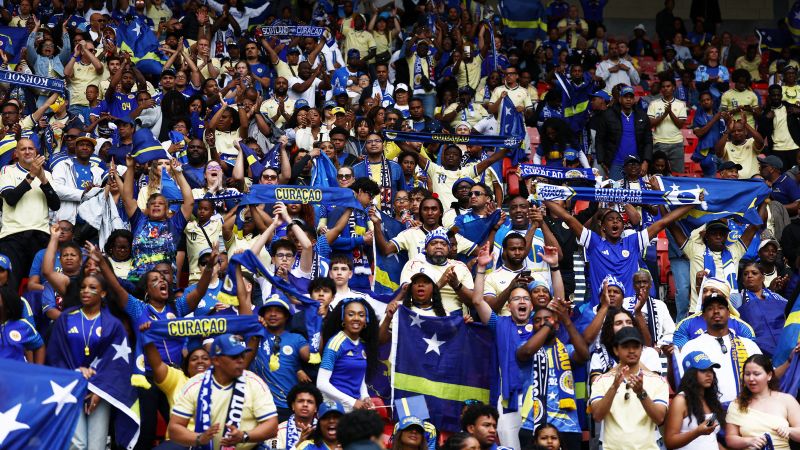
As the World Cup continues, attention turns to the debutantes, teams making their first appearance on the global stage. Among them, Curaçao stands out as a story of resilience and growth. The tiny Caribbean nation, with a population of approximately 156,000, will become the smallest country to ever compete in the tournament when it takes on Germany in Houston. This historic match, set for 1 p.m. ET, promises to be a test of both skill and heart.
Curaçao’s journey to this moment is a tale of strategic planning. As an autonomous territory within the Netherlands Kingdom, it gained FIFA membership in 2011, which allowed it to build a national team. Leveraging the Dutch diaspora, the island nation developed a squad with roots in the Netherlands’ footballing tradition. Players with elite experience, like Leandro Bacuna and Tahith Chong, have been instrumental in this effort. Bacuna, who once graced the English Premier League, and Chong, who was part of Manchester United’s youth setup, exemplify the blend of talent and determination that defines the team.
Coach Dick Advocaat, the 78-year-old veteran with a storied career, now leads Curaçao into its most significant moment. Known for his expertise with teams like the Netherlands and South Korea, Advocaat brings a wealth of knowledge to the Caribbean squad. While the team may lack household names, its unity and passion have been evident in social media clips showcasing players singing and dancing during training sessions in the United States. These moments of joy and camaraderie have already sparked interest in the squad, even if their kit design—popular as the away top—may not see action in the tournament.
“If Sunday is meant for rest, then it’s a great one to park yourself on the couch—or your local fan festival—and feast on some soccer,” one analyst remarked, highlighting the excitement surrounding the debutantes.
Curaçao’s match against Germany, though daunting, presents an opportunity for an underdog story. Germany, despite being a powerhouse, is not the dominant force it once was. The team’s lineup includes stars like Kai Havertz and Florian Wirtz, who operate at the highest level in Europe. However, the absence of immense pressure could work in their favor, allowing them to focus on tactical execution rather than the weight of expectation.
Meanwhile, the Netherlands and Japan are set to face off in Dallas at 4 p.m. ET, another intriguing matchup that could shape the tournament’s narrative. Both teams have been underrated in the build-up, but their potential for big performances is undeniable. The Dutch, captained by Virgil van Dijk, may lack the outright superstar they once had, yet their experience and resilience could carry them through. Japan, on the other hand, boasts technically gifted players capable of disrupting even the strongest defenses. The clash between these two teams is a testament to the depth of talent in this year’s World Cup.
The Bigger Picture: Beyond the Big Names
While the spotlight often shines on traditional powerhouses, this year’s World Cup has proven that the underdogs can hold their own. Curaçao’s debut is a reminder of the global reach of the sport, as teams from all corners of the world vie for recognition. The country’s success in qualifying and its passionate fanbase have already made headlines, but the true test lies in the match against Germany.
For the Socceroos, the victory over Turkey was a stepping stone, but the challenge against a German side brimming with talent will be tougher. Similarly, Brazil and Switzerland will need to regroup after their draws, as the tournament demands consistency from the outset. The early games have set the tone: anything can happen, and even the most favored teams are not immune to the unpredictable nature of international football.
The World Cup’s first days have also highlighted the importance of teamwork and adaptability. Curaçao’s players, despite their limited resources, have shown a spirit that resonates with fans. Their ability to thrive in the US-based training camp and the support from their community have created a sense of optimism. Meanwhile, the Netherlands and Japan’s matchups will be closely watched, as they aim to prove their worth on the world stage.
As the tournament progresses, the early surprises will likely have lasting impacts. Curaçao’s historic debut, Brazil’s fightback, and the unpredictable nature of the opening games have already redefined the expectations for this year’s competition. With four debutants stepping into the spotlight, the World Cup is poised to deliver more than just matches—it’s a celebration of diversity, resilience, and the unifying power of the beautiful game.