
Saudi Aramco helicopter crash kills 14 nationals
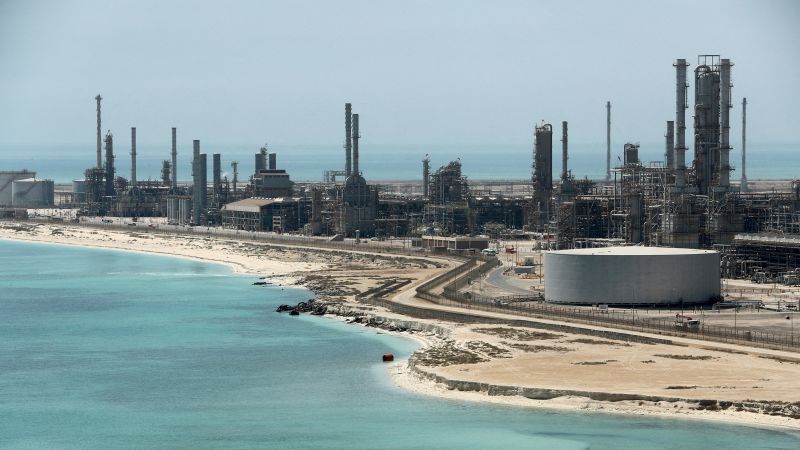
Saudi Aramco Helicopter Crash Claims 14 Lives
Saudi Aramco helicopter crash kills 14 nationals – On Sunday morning, a helicopter crash near Ras Tanura on Saudi Arabia’s eastern coastline left 14 individuals dead, according to the official Saudi news agency. The incident occurred west of the Strait of Hormuz, a critical chokepoint for global oil traffic, and has sparked immediate concern among regional stakeholders. The crash site, located at the Ras Tanura terminal, is a key hub for Saudi Aramco’s operations, where the company had recently resumed crude oil loading activities after a prolonged halt. This resumption followed months of operational adjustments, as the firm sought to stabilize its output amid shifting geopolitical dynamics.
Aramco’s Operations Restarted After Four-Month Pause
Following a four-month suspension, Saudi Aramco restarted crude oil operations at its Ras Tanura facility on Friday. The terminal, situated on the Gulf of Arabia, plays a pivotal role in the kingdom’s energy exports, handling a significant portion of its daily crude oil shipments. The restart came amid heightened production efforts by Middle Eastern oil producers, who have increased output in anticipation of an interim agreement to ease tensions between the United States and Iran. This development underscores the strategic importance of Saudi Arabia in maintaining global oil supply chains.
The state news agency confirmed that the helicopter crash resulted in the loss of 14 national lives, though the exact cause remains under investigation. The incident occurred at 6 a.m. local time, which translates to 0300 GMT, a period typically associated with early morning shifts in industrial zones. While initial reports provide details about the crash, no additional specifics about the circumstances or the helicopter’s condition were released. Officials have emphasized the need for a thorough probe to uncover the underlying factors.
“The relevant authorities have launched a full investigation to determine the cause of the crash,” stated the Saudi state news agency. This statement highlights the urgency with which the government is addressing the tragedy, as the terminal’s operations are integral to the nation’s economic and energy strategies.
Aramco, the state-owned oil company, did not immediately respond to an emailed inquiry for further comment. The absence of a prompt statement has raised questions among analysts about the company’s preparedness for such incidents. However, the focus remains on the operational impact of the crash, particularly as the terminal had just resumed activity after a lengthy interruption. The crash may delay ongoing logistical efforts, affecting the timing of oil deliveries to international markets.
Located on the eastern coast of Saudi Arabia, Ras Tanura has long been a strategic asset for the kingdom. Its proximity to the Strait of Hormuz, a vital shipping route for over 20% of the world’s oil, adds to its significance. The terminal’s role in the global energy sector is amplified by the recent surge in oil and gas production from Middle East producers, who have ramped up output to meet rising demand. This increase comes as part of a broader initiative to support international markets during periods of geopolitical uncertainty.
The crash has reignited discussions about the safety protocols in place for transportation in the region. Helicopter operations are common in the oil and gas industry due to their efficiency in reaching remote offshore platforms and terminals. However, the incident has prompted calls for a review of these practices, especially given the high stakes involved in energy logistics. Experts suggest that such events could have cascading effects on supply chains, particularly if they disrupt critical infrastructure.
Geopolitical Context and Energy Market Implications
Saudi Arabia, the world’s largest oil exporter, has been actively positioning itself to mitigate risks associated with the ongoing conflict between the United States and Iran. The interim deal aimed at halting hostilities has led to a surge in production and exports across the Middle East, with Saudi Arabia playing a central role in this expansion. The crash at Ras Tanura occurs amid this backdrop, adding another layer to the challenges faced by the kingdom’s energy sector.
The terminal’s resumption of operations on Friday coincided with a period of increased activity in the region. As Middle East producers scale up output, the demand for efficient transportation methods has grown. Helicopters, often used for quick transport between onshore and offshore sites, are a lifeline for such operations. The crash, however, has introduced a potential setback, prompting concerns about the reliability of these services during times of heightened activity.
While the immediate focus is on the victims and the crash’s cause, the broader implications for the energy market are being closely monitored. The loss of 14 nationals has not only affected the company’s internal operations but also served as a reminder of the risks inherent in the industry’s reliance on aerial transport. Analysts note that the incident could influence future safety measures and training programs for pilots and crew, ensuring that such tragedies are minimized.
In the wake of the crash, there has been a renewed emphasis on the importance of maintaining operational continuity in the face of unpredictable challenges. Saudi Aramco’s ability to quickly restart its activities at Ras Tanura demonstrates the company’s resilience, yet the accident underscores the delicate balance between efficiency and safety. The crash has also prompted a review of emergency response protocols, as authorities seek to ensure rapid action in the event of similar incidents.
As investigations continue, the focus will shift toward understanding the crash’s impact on both the company and the broader energy landscape. The Saudi state news agency has assured that a comprehensive analysis will be conducted, with updates expected in the coming days. Meanwhile, the global energy market watches closely, as the kingdom’s efforts to sustain production levels remain crucial in stabilizing oil prices and meeting international demand.
The event at Ras Tanura serves as a stark reminder of the human cost associated with the oil and gas industry. As Saudi Arabia navigates its role in the global energy arena, the crash highlights the need for vigilance in all aspects of its operations. The 14 lives lost will be remembered as a significant moment in the country’s energy history, with implications that extend beyond the immediate incident.
