
What to know about how teams qualify for the World Cup knockout round and which squads need to do what today
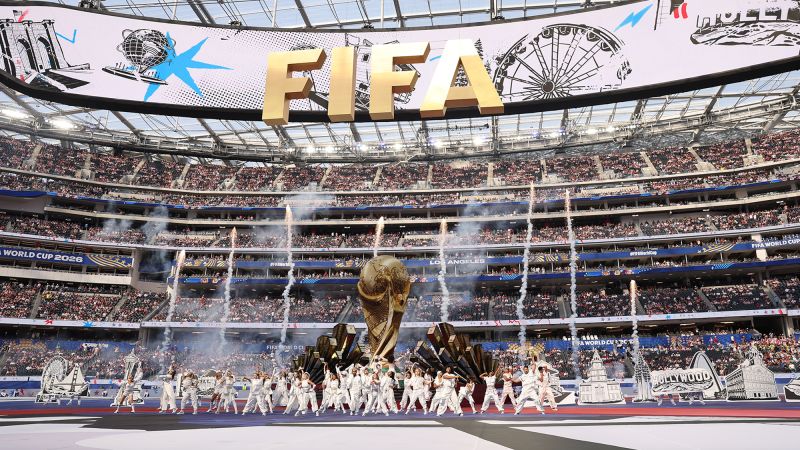
What to Know About How Teams Qualify for the World Cup Knockout Round and Which Squads Need to Do What Today
What to know about how teams – As the World Cup advances to its final phase, the competition intensifies, with six decisive matches set to determine which nations will join the Round of 32. This stage marks the culmination of the group stage, where the fate of teams is sealed by the outcomes of these games. The last round of group matches is particularly crucial, as it not only secures automatic progression for group winners and runners-up but also sets the stage for the eight third-place teams that will vie for spots in the knockout rounds. With the tournament’s structure evolving, fans are now closely watching how these matches unfold to shape the next chapter of the competition.
The Drama of the Final Group Stage
The World Cup’s group stage has always been a mix of high-stakes action and tense moments, but this year’s format adds new layers of unpredictability. The final set of matches today will decide which teams advance, and with so many permutations at play, every goal can shift the narrative dramatically. While some games may offer clear paths to progression, others could hinge on last-minute heroics or razor-thin margins in goal difference. For instance, the showdown between Canada and Switzerland has become a focal point, as both teams are currently tied at the top of their group, creating a scenario where either could claim the top spot depending on the result.
The atmosphere in the stadiums will be electric as players and fans alike anticipate the outcomes that could reshape the tournament’s trajectory. In contrast, other matches might present more straightforward challenges, but their results still carry weight in determining the final standings. The tournament’s organizers have structured the day to allow for real-time suspense, ensuring that the standings are fluid and open to last-minute surprises. This dynamic makes the group stage more thrilling than ever, even as critics debate whether the new rules have diluted the intensity of the competition.
Qualification Rules: A Closer Look
Teams that finish first or second in their groups are guaranteed a place in the Round of 32, but the third-place finishers face a more complex path. The qualification process begins with a points system, where wins earn three points, draws award one, and losses yield none. However, when two teams are tied on points, the head-to-head record between them is the next deciding factor. If that still doesn’t resolve the tie, goal difference and goals scored are used, with Fair Play rules acting as a tiebreaker only in rare cases.
The record-breaking 48-team format has introduced a new dimension to the tournament. While 24 teams automatically qualify as group winners, the remaining 24 will compete for the eight additional spots, with the top 12 third-place teams entering a mini-ranking system. This system evaluates performance based on the points earned during the group stage, creating a unique opportunity for teams that didn’t secure top spot to still make it to the knockout phase. The adjustment aims to reward consistency across the entire competition, but it also raises questions about the balance between merit and luck in the qualification process.
The Impact of New Rules
The expansion of the World Cup to 48 teams has sparked debate among analysts and fans alike. While some argue that the increased number of participants reduces the stakes of the group stage, others believe it has made the tournament more inclusive and exciting. The new rules ensure that more nations can compete in the early rounds, but they also mean that the knockout phase will see fewer teams eliminated—only 16 in total after the group stage. This change could lead to a more balanced bracket, as teams that narrowly miss out on top spot still have a chance to progress.
However, the transition to a larger tournament has introduced some logistical challenges. For example, the mini-ranking system for third-place teams requires careful tracking of results, as even a single goal can alter the standings. Critics have pointed out that the group stage may now feel less perilous than previous editions, where fewer teams advanced. Yet, the upcoming matches will test this theory, with nations like Canada, Switzerland, Qatar, Bosnia, and others vying for survival. The excitement of the final round will likely overshadow any concerns about the tournament’s structure, as the drama of close games and potential upsets continues to unfold.
Group B: A Battle for Survival
Group B has become a hotbed of action, with Canada and Switzerland locked in a virtual tie for the top position. Both teams have earned four points each, meaning the outcome of their match today will determine who advances as the group winner. If Canada triumphs, they secure the top spot, while a Swiss victory would see them take the lead. The tiebreaker in the event of a draw will be goal difference, which favors Canada due to their superior performance in the second match of the tournament. This creates an intriguing scenario where even a draw could have profound implications for the group standings.
Meanwhile, Qatar and Bosnia are engaged in their own critical match, with the result potentially deciding whether they join the knockout phase. A win for Qatar would ensure they remain in the competition, while a loss could force them into the mini-ranking system. Bosnia’s performance in this game will be vital, as a draw or win could still earn them a spot as one of the best third-place finishers. The stakes are high, and the pressure on both teams is palpable. With so much hanging in the balance, the outcomes of these matches will be a defining moment in the group stage.
As the clock ticks down, the eyes of the world are on these teams. The phrase “I’m back” from Cristiano Ronaldo, Portugal’s star forward, encapsulates the excitement of the moment. His two goals in yesterday’s match have reignited the tournament’s buzz, and the momentum will carry into today’s crucial games. Whether it’s Canada’s confidence or Switzerland’s resilience, the narratives surrounding these teams are shaping the story of the World Cup. The final group stage matches promise to deliver high drama, with every result potentially altering the path to the next round.
“I’m back.” – Cristiano Ronaldo, Portugal forward
The World Cup’s progression to the knockout phase is a testament to the sport’s global appeal. With teams from all corners of the world competing, the tournament has become a stage for both established powerhouses and underdogs. The complexity of the qualification rules ensures that the final standings are a blend of performance, luck, and strategic play. As the matches kick off today, the tension in the stadiums will be matched only by the anticipation of what’s to come. For fans, the next phase of the World Cup is not just about who advances but also about the stories that unfold in the process.
In conclusion, the group stage’s final matches are more than just a routine part of the tournament—they are a pivotal moment that sets the stage for the knockout rounds. The outcomes will determine which teams continue their journey and which are left behind, making this day one of the most anticipated in World Cup history. With so many teams vying for limited spots, the competition is as fierce as ever, and the excitement is only growing as the tournament moves forward.
