Man leaves tired 7-year-old son alone on Mount Fuji during family hike

Daftar Isi
Mount Fuji Hiking Incident: Father Faces Police Reprimand After Leaving 7-Year-Old Son Alone at Halfway Point
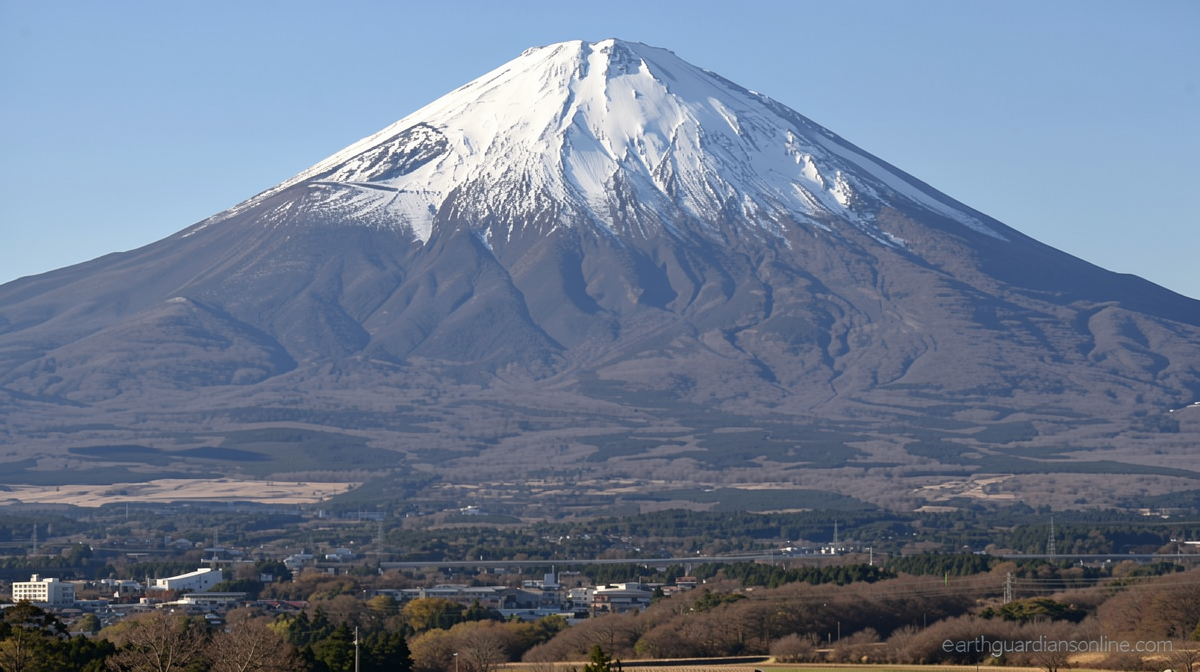
Earthguardiansonline.com – Japan’s most iconic peak, Mount Fuji, draws millions of visitors each year who seek the experience of climbing its volcanic slopes. Yet the mountain’s altitude, shifting weather, and thin air make it a genuinely demanding environment, especially for young children. That reality became painfully clear this past Thursday when a seven-year-old boy was discovered sitting by himself at a mountain hut roughly 8,200 feet (2,500 meters) above sea level — a point slightly past the halfway mark on the country’s tallest mountain.
What the boy experienced
The child had been hiking the Fujinomiya trail alongside his father and an older brother. At the sixth station along that route, the boy grew fatigued and showed reluctance to keep walking uphill. Rather than turning around or finding another solution, his father instructed the child to remain seated on a bench at the hut while the adults continued their climb toward the summit.
The boy waited alone for approximately five hours. During that stretch, a hut worker noticed the small figure sitting unaccompanied and reported the situation to local authorities. Police responded to the scene and took custody of the child until his father and brother descended back to the sixth station.
Upon their return, the officers were already present with the boy. The child was confirmed to be physically unharmed and was handed back to his father. Police then delivered a formal warning to the man, informing him that his conduct could expose him to criminal liability under Japanese law. The father expressed his remorse to the officers.
“Tired” was the reason given for leaving the child behind — a word that, at 2,500 meters of altitude, carries very different weight than it does at sea level.
Why altitude changes everything
At roughly 2,500 meters, the air contains noticeably less oxygen than at lowland elevations. Adults accustomed to sea-level living can experience headaches, nausea, and shortness of breath at that height; children, whose bodies are still developing, are often more vulnerable to the effects of reduced atmospheric pressure. A child who feels “tired” at the sixth station may be experiencing early signs of altitude-related stress, making the decision to leave him unattended for hours particularly hazardous.
Mount Fuji’s summit reaches 12,388 feet (3,776 meters), and the upper slopes expose climbers to rapidly changing conditions. Temperatures can plummet within minutes, wind speeds spike without warning, and visibility can collapse from clear skies to dense fog in a matter of hours. In previous years, climbers have required emergency rescue after developing acute mountain sickness, hypothermia, or exhaustion-related injuries on the upper trails. The mountain’s popularity — with tens of thousands of hikers attempting the ascent on any given summer day — compounds the risk, as crowded paths slow evacuation times.
New regulations aimed at preventing tragedies
In response to recurring safety incidents, Japanese authorities have introduced a series of updated rules governing access to Mount Fuji in recent years. Among the most significant changes is a daily cap on the maximum number of climbers permitted on the mountain, designed to reduce congestion and shorten response times in emergencies. Additionally, hikers are now required to complete a brief instructional session covering basic hiking safety before beginning their ascent. These measures reflect a broader shift toward treating the mountain not merely as a scenic destination but as a high-altitude environment that demands preparation.
What the incident signals for families
The episode underscores a practical lesson for parents planning mountain outings with young children: fatigue at altitude is not simply a matter of willpower. A child who stops wanting to walk at 2,500 meters may be signaling that his body has reached its limit for the day. The appropriate response is to turn around, rest, or descend — not to leave the child unattended in a remote location while adults continue toward a goal.
Police involvement in the case, and the explicit warning about potential criminal liability, suggests that Japanese authorities view parental supervision obligations as extending fully into mountain environments. A bench at a trail hut, however scenic, is not a safe place for a seven-year-old to spend five hours alone at altitude, where temperature drops, weather shifts, and the absence of immediate adult oversight create genuine danger.
The boy emerged physically unscathed from the ordeal, and his father acknowledged his mistake. Still, the incident will likely be cited in public-safety discussions about family hiking in Japan, reinforcing the message that the mountain’s beauty does not diminish its risks — particularly for those too young to advocate for themselves when conditions turn.
Related Reading
Frequently Asked Questions
What is Man leaves tired 7 year old son?
Man leaves tired 7 year old son is the main topic of this guide. The article explains the context, practical details, and next steps readers should understand.
Why does Man leaves tired 7 year old son matter?
Man leaves tired 7 year old son matters because readers are looking for a useful answer, not just a short summary. Good content should match search intent and help them decide what to do next.