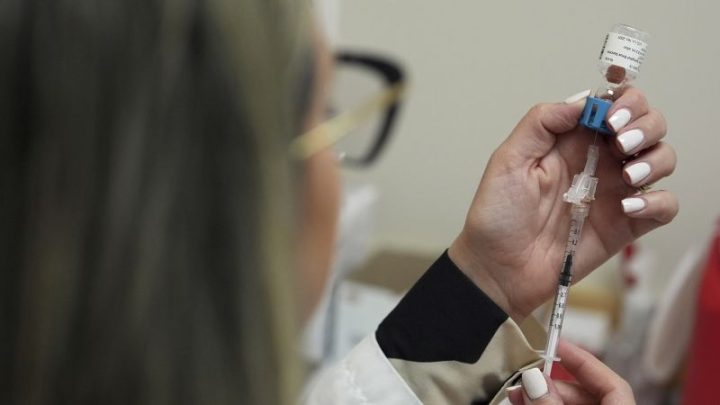
Can aging be treated like a disease? Scientists are starting to find out

Daftar Isi
Scientists Explore Whether Aging Itself Could Become a Medical Target
Earthguardiansonline.com – For decades, medicine has largely addressed the illnesses that become more common later in life one by one: diabetes, heart disease, cancer and other chronic conditions. A growing area of research is asking whether there could someday be another approach—studying and potentially influencing the biological processes that help make those illnesses more likely in the first place.
The ambition is not simply to add years to life. Researchers are focused on extending health span, meaning the years in which people can remain healthy and function well. To do that, scientists are investigating whether the biological changes associated with aging can be measured early, altered safely and linked to meaningful long-term health benefits.
“Aging has biology. This biology drives diseases,”
Nir Barzilai, director of the institute for aging research at Albert Einstein College of Medicine in New York City, sees aging biology as a possible shared contributor to many diseases. Rather than waiting for separate conditions to develop and then treating each independently, he argues that future medicine may be able to address underlying processes that affect several conditions at once.
Promising experiments, but no human proof yet
Work in laboratory organisms has given the field reason to investigate the idea further. In animals ranging from roundworms to mice, researchers have altered aging-related biology through medicines, exercise, calorie restriction and other interventions. Those experiments have slowed the buildup of some cellular changes associated with aging and, in some cases, lengthened the animals’ lives.
That evidence has not yet established that the same outcome is possible for people. Daniel Belsky, an associate professor of epidemiology at Columbia University’s Mailman School of Public Health and the Robert N. Butler Columbia Aging Center, stressed that the central hypothesis remains untested in human clinical trials.
“We don’t know yet whether we can really do this. But we do have an alignment of evidence to argue this is possible. And we now have a mobilization of resources to actually test it,”
The distinction matters. Findings in animals can guide scientific questions, but they cannot by themselves demonstrate that a treatment will extend healthy human life. Researchers still need rigorous trials that show an intervention changes biological aging in a way that reduces disease risk or preserves health over time.
Looking beyond the birthday count
A key part of the research involves separating chronological age from biological age. Chronological age is straightforward: it is the number of years since someone was born. Biological measures aim to capture how a person’s body may be changing over time, which can differ substantially among people of the same age.
Scientists are searching for measurable signals that reflect those changes. One major avenue is epigenetics, which concerns changes in gene regulation that do not alter the DNA sequence itself. Researchers can examine methyl groups, chemical tags attached to DNA, to look for patterns related to aging.
“Could track the passage of time in a human body.”
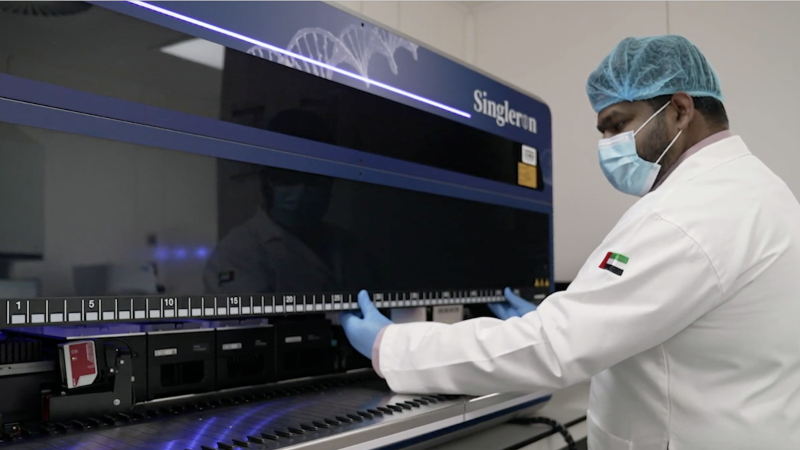
Belsky’s research also examines multi-omic information: multiple layers of biological data considered together. His Finding Aging Biomarkers by Searching Existing Trials, or FAST, project is gathering data that include proteins, metabolites and epigenetic marks in white blood cells. The purpose is to identify indicators that react to different interventions and may help show whether those interventions are influencing aging-related biology.
Biomarkers could make longevity research far more practical if they prove reliable. The health outcomes scientists ultimately care about—avoiding chronic illness, maintaining function and living longer in good health—may take decades to observe. A study testing an intervention begun at age 40 or 50 might need to follow participants for 20 or 30 years before its full effects become clear.
The search for meaningful shortcuts in clinical trials
Researchers hope that certain biomarkers may eventually serve as surrogate endpoints. In this setting, a surrogate endpoint would be a measurable change that reliably forecasts an important future health outcome, such as lower disease risk or a longer healthy lifespan.
That link has not yet been proven. A biomarker may be associated with aging without necessarily showing that changing it will improve a person’s health. Establishing the difference between correlation and a useful clinical target is one of the field’s most important scientific challenges.
Until that connection is demonstrated, biological-age testing should be viewed cautiously. A detailed measurement may offer researchers valuable information, but it does not automatically provide a clear prediction about an individual’s future health or prove that a particular intervention will work.
Longevity clinics emerge as research expands
Interest in the science has also helped fuel the emergence of longevity clinics. These programs commonly combine conventional medical evaluation with broader testing intended to create a detailed profile of an individual’s health, then may offer personalized lifestyle or medical interventions.
Mayo Clinic opened its Healthy Longevity Clinic in 2023. Singapore’s National University Health System has created a related program that pairs detailed assessment with individualized lifestyle or medical care.
The arrival of such clinics reflects public interest in prevention and personalized health, but it also underscores why careful evidence is essential. Some assessments may be useful within established medical care, while other tests and interventions are still being evaluated. The strongest future advances will depend on proving not just that scientists can measure aging-related signals, but that acting on them produces better health outcomes for people.
For now, the field is moving from a long-standing scientific possibility toward more direct human testing. Whether aging can be treated as a medical target remains unresolved, but researchers are building the tools needed to answer that question with greater precision.
Related Reading
Frequently Asked Questions
What is Can aging be treated like a disease?
Can aging be treated like a disease is the main topic of this guide. The article explains the context, practical details, and next steps readers should understand.
Why does Can aging be treated like a disease matter?
Can aging be treated like a disease matters because readers are looking for a useful answer, not just a short summary. Good content should match search intent and help them decide what to do next.