
Small aircraft crashes into Beijing’s tallest skyscraper
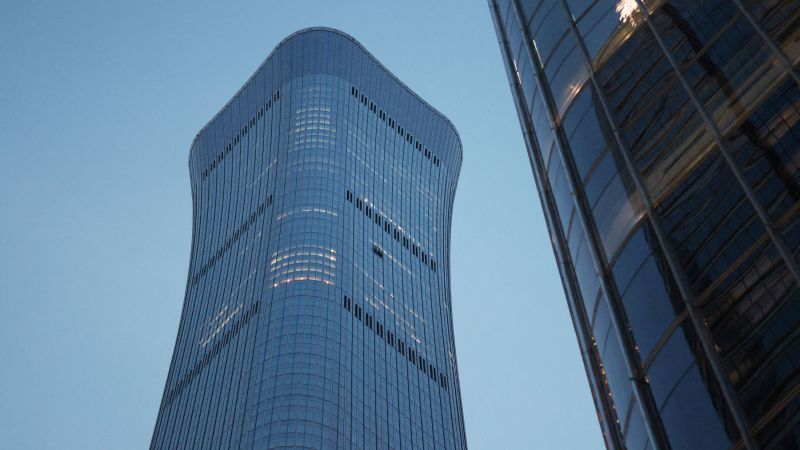
Small Plane Collides with Beijing’s Iconic Skyscraper
Ashes in the Air: Unusual Incident in the Heart of the Capital
Small aircraft crashes into Beijing s tallest – On Friday afternoon, a small aircraft crashed into the 109-story CITIC Tower, Beijing’s tallest skyscraper, sparking immediate concern. The collision, which occurred in the bustling capital, sent shockwaves through the city’s skyline. Witnesses and social media users captured the event, with videos revealing pieces of the plane and debris raining down from the towering structure. A broken window of a nearby taxicab was also spotted on the ground, adding to the chaos.
The incident unfolded in a city renowned for its stringent security measures. As CNN’s Mike Valerio observed the scene, people were seen evacuating the building, gathering near the entrance. Emergency vehicles, including firetrucks, police cars, and an ambulance, rushed to the site. Despite the dramatic visuals, authorities have not yet released an official statement, leaving many questions unanswered.
Residents and officials have been contacted for information, but responses have been limited. A representative from the Beijing Public Security Bureau’s relevant district branch, when reached by CNN, admitted to being “not familiar with the situation.” They redirected the call to another number, which went unanswered. Simultaneously, CNN has attempted to connect with the Beijing Municipal Government and the aircraft’s owner for further clarification.
Online images suggested the plane’s registration code belonged to a domestically produced light sport aircraft, the Sunward SA 60L Aurora. This model is operated by a local general aviation company that provides services such as pilot training, recreational flights, and aerial photography. The aircraft’s size and design make it a common sight in the skies, but its presence in the heart of Beijing raised eyebrows.
Unverified flight data from Flightradar24 showed the plane’s path deviating significantly after takeoff from Shifosi Airport. The data, though not confirmed, indicated the aircraft had strayed off course, possibly leading to the collision. This detail adds intrigue to an event already shrouded in uncertainty. The plane’s deviation from its intended route could have been due to mechanical failure, human error, or environmental factors.
Since May 1, Beijing has implemented strict drone regulations, effectively banning unauthorized aerial devices within the city. Residents are now required to obtain government approval before operating drones, a policy that has transformed the urban landscape into a secure zone. This rule, however, has not prevented the incident, as the aircraft’s presence in the airspace was notable despite the city’s heightened vigilance.
The collision has stirred anxiety among locals, particularly those accustomed to the rules. Anna, a resident near the scene, shared her thoughts with CNN. “I heard a lot of policy and rules about ‘Don’t use any aircraft in Beijing,’” she explained. “This is the central business district—how could they allow a flight for 20 minutes to reach this area?” Her words reflect the public’s bewilderment, as the small plane’s ability to navigate the restricted airspace defies expectations.
Despite the alarming nature of the event, Anna remained cautiously optimistic. “We all can see it’s just a very small plane, and it’s also after work time,” she noted. “Probably, there won’t be a huge aftermath, but it’s still scary.” Her perspective highlights the contrast between the plane’s modest size and the scale of the incident, underscoring the unexpectedness of the collision.
The CITIC Tower, standing at 528 meters, has become a symbol of Beijing’s rapid urban development. Its towering presence over the city’s core makes it a prime target for any aerial mishap. While the building’s structure was designed to withstand extreme conditions, the impact of the collision has raised questions about its resilience and safety protocols. Emergency teams have been working to assess the damage and ensure the safety of those inside.
As the investigation continues, experts are analyzing the potential causes of the incident. The Sunward SA 60L Aurora, though primarily used for recreational purposes, is capable of reaching high altitudes. However, its operation in Beijing’s restricted airspace remains unexplained. Authorities are expected to provide more details soon, including whether the plane was flying under the new regulations or if it violated them.
Meanwhile, the event has sparked discussions about the city’s approach to air traffic management. While drones are now under tight control, the presence of small aircraft in the same airspace suggests a broader challenge in regulating all forms of aerial activity. Officials may need to review current policies to prevent similar incidents in the future.
Residents in the vicinity have expressed a mix of fear and curiosity. Some questioned how a small plane could bypass the city’s security measures, while others speculated about the consequences of the crash. The visual evidence of debris and the tail section of the plane has fueled debates about the safety of the building and the aircraft’s operator.
As the story develops, CNN will continue to monitor updates from the Beijing authorities and the aviation company involved. The incident, though isolated, serves as a reminder of the complexities of managing air traffic in a densely populated and highly regulated environment. The public awaits further information, hoping to understand the cause and the impact of this unusual event.
The collision has also prompted a reevaluation of emergency response procedures in Beijing. With the city’s infrastructure and population density, any disruption to the skyline could have far-reaching implications. The speed at which teams mobilized to the scene demonstrates the city’s preparedness, but the incident has highlighted the need for even stricter oversight.
Authorities are likely to investigate whether the aircraft adhered to all safety guidelines, including flight paths and altitude restrictions. The Sunward SA 60L Aurora, which typically operates in low-altitude zones, may have been flying at a higher elevation, increasing the risk of collision. The drone-free policy, while effective for unmanned devices, may not have fully accounted for all aerial traffic.
Residents and aviation experts alike are now watching closely to see how the incident unfolds. With the CITIC Tower’s status as a landmark, the collision has captured the attention of both locals and international observers. The next steps in the investigation will be crucial in determining the cause and the responsibility of the event.
This story has been updated with additional developments, including ongoing assessments of the building’s structural integrity and the investigation into the aircraft’s flight path. As the dust settles, the incident remains a focal point for discussions on air safety and urban security in one of the world’s most monitored cities.
