
Exclusive: EPA scientists say they are being pushed to downplay potential risks of household products
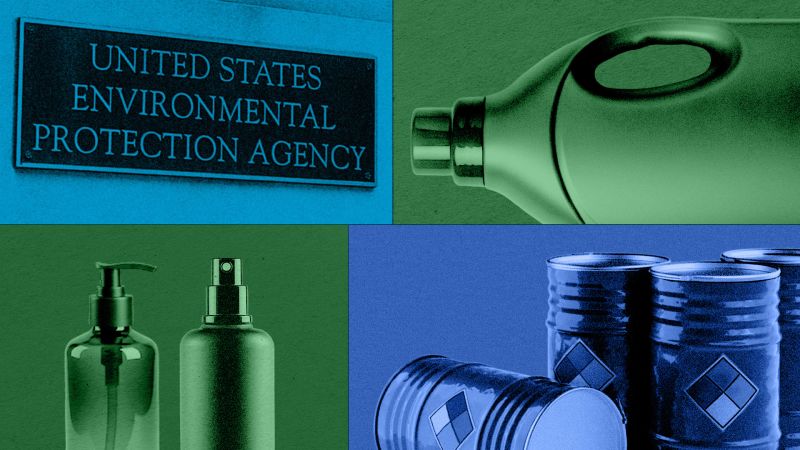
Exclusive: EPA Scientists Report Political Pressure to Downplay Chemical Risks
Exclusive – The Environmental Protection Agency (EPA) under the Trump administration is facing scrutiny as scientists claim they are being pressured to revise their evaluations of chemicals found in common household products. These reports, based on insider accounts, highlight how political directives are influencing risk assessments, leading to potential underestimation of dangers linked to cleaning agents, beauty products, and other everyday items. The changes have raised concerns about the integrity of scientific analysis, with employees saying they must downplay findings that could impact industry regulations. This exclusive coverage reveals the extent to which political priorities are shaping the EPA’s approach to chemical safety.
Political Influence on Risk Analysis
Exclusive insights from current and former EPA staff indicate that the agency’s focus has shifted from rigorous scientific evaluation to scenarios favoring the administration’s agenda. Employees report being instructed to adjust exposure models, often minimizing the health risks of chemicals associated with cancer, hormonal imbalances, and developmental issues. For example, one scientist described how supervisors encouraged the use of alternative methods to highlight less severe outcomes, even if data contradicted more alarming findings. “The goal is to create risk profiles that align with political narratives,” said an anonymous source, adding that this practice undermines the agency’s credibility in public health protection.
Exclusive details also show that the EPA is emphasizing the use of “gold standard science” as part of its strategy to justify chemical approvals. While the agency claims to rely on peer-reviewed research and real-world data, insiders argue that the framework allows for selective interpretation of evidence. This has led to a situation where chemicals previously flagged for harm are now deemed safer based on politically influenced models. The result is a system that, according to critics, prioritizes industry interests over comprehensive risk assessments.
Challenges to Scientific Independence
Exclusive reports reveal growing tensions between career scientists and political appointees within the EPA. Senior researchers have been moved into administrative roles, while newer staff with limited experience now oversee critical evaluations. This shift, employees say, has eroded the agency’s objectivity, as scientific findings are increasingly shaped by political pressure rather than data. “We’re being asked to justify every analysis, even if it contradicts established research,” one former employee stated. “Failure to comply can lead to being labeled as insubordinate.”
Exclusive accounts further highlight the impact of institutional changes on scientific freedom. The termination of federal union contracts and the suspension of staff who signed dissenting letters have created a climate of fear. “There’s a sense that challenging the status quo could cost your career,” explained a departing scientist. “You’re expected to follow directives, or risk being sidelined.” These actions, combined with the push for simplified risk models, have left many feeling pressured to conform to the administration’s goals rather than adhere strictly to scientific evidence.
Broader Implications for Environmental Regulation
Exclusive analysis of the EPA’s policies shows they are part of a broader trend of regulatory changes under the Trump administration. By aligning chemical assessments with industry-friendly outcomes, the agency has contributed to a shift toward deregulation. This approach, while reducing perceived risks for some products, may have long-term consequences for environmental protection and public health. Employees warn that the erosion of scientific independence could lead to weaker safeguards for chemicals that pose significant threats, especially to vulnerable communities.
Exclusive insights also suggest that the EPA’s changes are not isolated but part of a strategic effort to reshape regulatory frameworks. With key positions filled by former industry insiders, the agency is now seen as more aligned with corporate interests. “They want us to focus on scenarios that make chemicals look safe, even if the data doesn’t support it,” said one insider. This dynamic has raised questions about the EPA’s role as a neutral watchdog, with many fearing that future risk assessments will continue to prioritize political outcomes over scientific truth.
