
Judge says Trump can’t use Social Security data for voter roll purges
Judge Says Trump Can’t Use Social Security Data for Voter Roll Purges
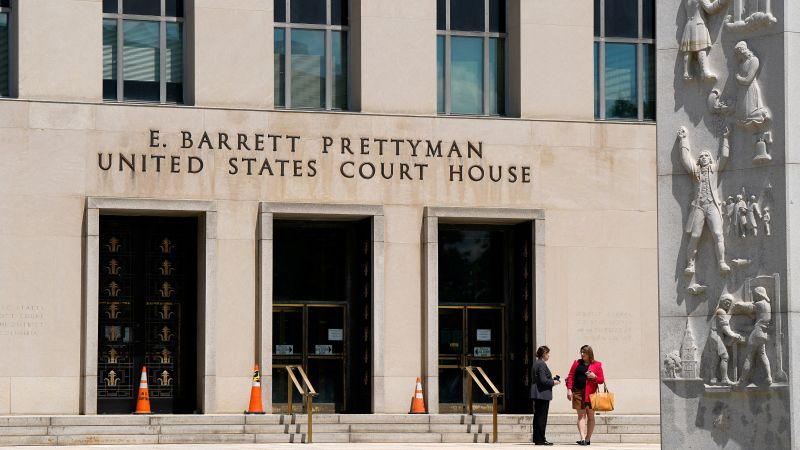
Judge says Trump can t use Social – A federal judge has ruled that the Trump administration violated federal privacy protections by restructuring a citizen data initiative to enable more aggressive voter roll purges. The decision, issued by US District Judge Sparkle Sooknanan on Monday, marks a significant challenge to President Donald Trump’s strategy of identifying noncitizens on state voter lists. This move, which voter advocates and election officials argue could lead to the wrongful removal of eligible voters, has been halted by the court’s order. Sooknanan, an appointee of President Joe Biden, emphasized the importance of safeguarding citizens’ voting rights in her ruling.
The SAVE Program and Its Expansion
The case revolves around the Systematic Alien Verification for Entitlements (SAVE) program, a federal initiative designed to verify citizenship for public benefits. While originally intended to streamline eligibility checks for social programs, SAVE was also adopted by election officials as a tool to cross-reference voter registration records with immigration data. The Trump administration, however, intensified the program during its second term by incorporating additional data sources, including Social Security records and information from other agencies. This expansion was aimed at enhancing the system’s ability to detect noncitizens on state voter rolls.
Exclusive reports reveal that the administration planned to leverage homeland security funds to pressure states into adopting election reforms aligned with its agenda. Early in Trump’s second term, the program was revamped to include a broader range of data, which critics argue undermined existing privacy safeguards. Sooknanan’s ruling highlighted that the administration was aware of these violations but proceeded to implement the changes to meet the demands of an executive order focused on reshaping federal elections. The order directed agencies to develop a system for mass voter verification, which the administration used as justification for its overhaul.
Legal Arguments and Privacy Concerns
Challengers to the SAVE expansion argued that the program’s use of Social Security data threatened citizens’ privacy. They claimed that the system’s reliance on outdated or inaccurate information could wrongly label individuals as noncitizens, risking their ability to vote. “The data at the heart of this lawsuit was unlawfully consolidated in violation of privacy laws intended to protect sensitive personal information,” stated Skye Perryman, president and CEO of Democracy Forward, which represented the plaintiffs. The organizations contended that the federal government’s approach to data collection was overly broad and lacked proper oversight.
Under the new SAVE framework, the administration has both encouraged states to adopt the system and threatened to penalize those that resist. The Justice Department has launched a campaign to obtain unredacted voter registration files from each state, enabling federal checks against the citizenship database. This strategy has raised concerns about the potential for misuse of personal information, particularly as it is now being used to scrutinize voting records with greater intensity.
Implications of the Ruling
While the ruling immediately halts the expanded use of SAVE for voter roll purges, its broader impact remains unclear. The decision may delay the administration’s plans to finalize lists of voting-age citizens across states, but it does not necessarily stop all related initiatives. Sooknanan’s order underscores the tension between the federal government’s efforts to secure electoral integrity and the rights of citizens to privacy and voting access. “This Court cannot stand idly by while the federal government tramples on the privacy rights of American citizens in a way that threatens their fundamental right to vote,” she wrote in her 38-page decision.
Despite the setback, the Trump administration continues its push to modernize election procedures. A more recent executive order instructs the Department of Homeland Security to use SAVE and other federal databases to compile state-specific lists of voting-age citizens. This directive, critics say, could pave the way for further purges, even as legal challenges persist. The Justice Department’s aggressive tactics have already drawn scrutiny in other lawsuits, where similar issues of data misuse have been raised.
Reactions to the Decision
The ruling has sparked mixed reactions from stakeholders. While voter advocates celebrate the decision as a victory for democratic principles, the Trump administration’s legal team has expressed frustration. DHS General Counsel James Percival criticized the ruling, calling it a “Leftist” effort to block efforts to address what he describes as an existing problem. “It’s amazing how hard the Left will fight to stop us from solving problems they insist do not exist,” Percival said on X, referring to the administration’s campaign to combat alien voting.
“Judge Sparkle Sooknanan’s latest ruling preventing DHS from addressing alien voting is just the latest example of partisan obstruction,” Percival added.
On the other hand, organizations representing voters have praised the decision. Skye Perryman of Democracy Forward emphasized the significance of the ruling in protecting the right to vote. “As the Trump-Vance administration continues its attack on the right to vote, this is an important victory for the American people and our democracy,” she said. The case, she noted, highlights the importance of maintaining privacy laws that shield citizens from unwarranted scrutiny of their personal data.
The SAVE program’s expansion has also raised questions about the balance between national security and civil liberties. Critics argue that the administration’s focus on immigration verification has overshadowed the program’s original purpose of ensuring eligibility for public benefits. By integrating Social Security data, the program now operates as a dual-purpose tool, simultaneously checking for noncitizens in voter rolls and tracking individuals’ eligibility for government programs. This dual role, they claim, increases the risk of errors and biases in the data, potentially disenfranchising hardworking citizens.
Broader Context and Future Challenges
The judge’s decision comes amid a series of legal battles over voter roll integrity. While the SAVE system’s expanded use is now on hold, the administration’s plans to use it for other purposes may continue. The ruling does not directly address the broader executive order directing DHS to create comprehensive voter lists, leaving room for future challenges. However, it has provided a critical check on the immediate implementation of the program’s most contentious features.
As the debate over voter roll purges intensifies, the case underscores the role of the judiciary in mediating between executive authority and individual rights. The expansion of SAVE represents a shift in how federal agencies approach data collection, with implications for privacy, equity, and the democratic process. While the ruling is a temporary reprieve, it highlights the need for transparency and accountability in the use of sensitive information for voter verification purposes.
With the SAVE program’s expanded capabilities now suspended, states may have more time to assess the impact of the administration’s changes. However, the ongoing campaign to collect unredacted voter files suggests that the federal government is not abandoning its efforts. The case also serves as a reminder of the potential for data to be used in ways that challenge the core principles of American democracy, including the right to vote without fear of arbitrary removal. As the legal landscape continues to evolve, the focus will remain on ensuring that voter roll purges are conducted fairly and in compliance with established privacy protections.
This story has been updated with additional details.
