
What we know about Trump’s Great American State Fair
What We Know About Trump’s Great American State Fair
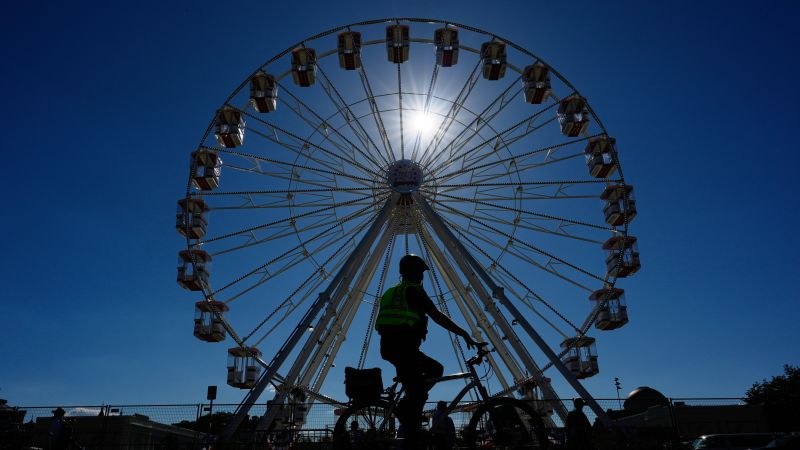
What we know about Trump s Great – The Great American State Fair, a 16-day celebration launched by the Trump administration, has opened to the public at the National Mall in Washington, DC. The event, designed to highlight the cultural and historical richness of every U.S. state and territory, features interactive pavilions, large-scale attractions, and a variety of entertainment options. President Donald Trump, who first introduced the idea during his 2023 campaign, has framed the fair as a milestone in the country’s “golden age of America.” With military flyovers, movie screenings, and a towering 110-foot Ferris wheel, the fair promises a dynamic mix of experiences for attendees.
A Legacy of 250th-Aniversary Celebrations
The project, spearheaded by the Trump-aligned nonprofit Freedom250, is part of a broader effort to commemorate the 250th anniversary of the United States. The organization has already hosted several notable events, including the Rededicate 250 prayer ceremony on the National Mall in May. This fair, however, marks a unique venture—its scale and scope are unprecedented, blending educational exhibits with modern attractions to showcase the nation’s diversity.
Freedom250’s CEO, Keith Krach, emphasized the event’s inclusivity and appeal. “We’re literally gonna have hundreds of performers,” he told CNN. “We’ve got something for everybody, you know what I mean. We’ll have great speakers, military bands, amazing entertainers, amazing singers, magicians, all that stuff.” The fair’s free admission policy and RSVP system aim to encourage broad participation, though not all states have fully embraced the initiative.
State Participation and Financial Challenges
While all 50 states and territories are represented, some have opted for a more limited involvement. Officials from Washington, Massachusetts, Illinois, North Carolina, and Connecticut cited financial constraints as a primary reason for declining to manage their own pavilions. Instead, local groups have stepped in to represent their states, showcasing regional traditions and attractions through creative displays.
For instance, Arizona’s booth will transport visitors on a “sensory journey,” according to Paul Behnen, creative director at Off Madison Ave, the agency behind the display. “You start with the warm, cathedral light in Antelope Canyon,” he explained. “Then you transition into the cool, dappled light of a Ponderosa pine forest. And lastly, you wander into a Sonoran Desert nightscape, where blacklights subtly illuminate stars and saguaro cactuses.” This approach allows for a more immersive experience while addressing budget limitations.
Other states have taken a more hands-on approach. In Montana, visitors can engage in a fossil-digging station, while Minnesota’s pavilion offers interactive prizes tied to the state’s official bird, the common loon. Florida highlights its citrus industry with a mini-golf putting green, and Oklahoma’s exhibit aims to redefine perceptions of the state through a blend of natural and cultural elements. “We really wanted to focus on dispelling some preconceived notions about Oklahoma and getting people to see all the diversity and wonderful experiences we have to offer in our state,” said Amy Blackburn, executive director of the Oklahoma Tourism and Recreation Department.
Themes of Unity and Partisanship
Despite its grand scale, the fair has sparked debates about its political undertones. A spokesperson for Oregon Governor Tina Kotek, a Democrat, noted concerns that the event might have “shaped up to be a more partisan affair than originally presented.” This sentiment reflects the broader context of the 250th anniversary celebrations, which have been used as platforms to promote specific ideologies.
Freedom250’s mobile museums, dubbed the Freedom Trucks, further illustrate this theme. These traveling exhibits use AI-generated videos and artwork to narrate the story of America’s founding. Partnering with both Hillsdale College, a Christian liberal arts institution in Michigan, and PragerU, a conservative media outlet, the trucks offer a dual perspective on history, blending educational content with ideological messaging.
The fair’s schedule includes a daily reminder of the American West through rodeo shows and traditional Mexican charro performances. Visitors can also meet American Miniature Therapy Horses, adding a touch of community and wellness to the event. However, the initial phase of the fair faced challenges, with some concerts canceled after artists withdrew due to concerns about the event’s political alignment. Krach acknowledged the issue but assured that the fair will still feature a wide array of musical performances.
Experiences and Cultural Highlights
Throughout the 16-day event, attendees will explore a variety of exhibits designed to reflect each state’s unique identity. From the Arizona desert to the Minnesota lakes, the fair aims to create a tapestry of American experiences. The military flyovers and movie screenings underscore the event’s emphasis on national pride and unity, while the Ferris wheel provides a visual centerpiece for the festivities.
One of the most anticipated features is the 250-foot “triumphal arch” replica, a scaled-down version of Trump’s proposed structure. This monument, along with the other pavilions, is intended to symbolize the country’s enduring legacy and aspirations. The arch, however, has become a focal point of discussion, with some viewing it as a clear representation of Trump’s brand of patriotism.
Food lovers will also find something to enjoy, with a range of state fair classics available. Jumbo corn dogs, turkey legs, and buckets of fries will be served, offering a taste of the traditional American fair. These offerings, combined with the cultural exhibits, aim to create a festive atmosphere that appeals to a wide audience.
The fair’s organizers have stressed that it is not just a celebration of history but a platform for engaging with the present. “This event is about bringing people together to appreciate the diversity and strengths of our nation,” Krach said. The combination of historical narratives, modern attractions, and community activities suggests a deliberate effort to craft a multifaceted experience.
As the fair runs until July 10, it remains a testament to the Trump administration’s vision of national identity. While some critics question its political alignment, the organizers continue to emphasize its role as a unifying celebration of American culture. Whether viewed as a symbol of patriotism or a stage for ideological debate, the Great American State Fair is poised to leave a lasting impression on its visitors.
