What’s behind the rise of the fake tourist attraction?

Daftar Isi
When the Destination Isn’t What It Seems
Earthguardiansonline.com – Travelers are increasingly being drawn to places that look historic, natural or culturally significant — only to discover that the experience was built on invention. Some attractions are openly theatrical, while others blur the line between recreation and deception. The difference matters, especially when visitors spend money, time and trust on a destination they believe is genuine.
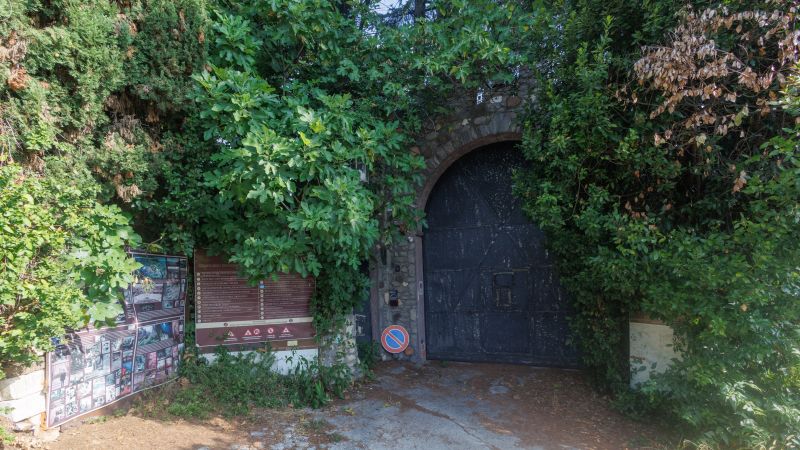
One striking case emerged in northern Italy, where Franco Malosso created what appeared to be an ancient Greek amphitheater. The site featured imposing columns, a picturesque lake and glowing five-star reviews online. It covered about 54,000 square feet and welcomed tourists paying $46 for admission. Yet the supposed historic monument was not authentic.
After guiding visitors through the Styrofoam-enhanced complex for more than a decade, Malosso was arrested and charged with forgery, among other allegations. The stories told at the attraction added to its invented past, including a claim involving Juliet Capulet — Shakespeare’s imaginary heroine from “Romeo and Juliet.”
Fiction Has Long Been Part of the Travel Economy
The business of tourism has always had room for fantasy. Verona, not far from the Italian site, has turned its association with Juliet into a major draw. Juliet never existed outside Shakespeare’s play, yet the city’s well-known Juliet’s House — including a balcony inspired by the drama — remains among Verona’s most visited stops.
For many travelers, that kind of experience is not a problem. A place connected to a beloved story can still feel meaningful when its fictional basis is clear. The concern arises when a location presents itself as an authentic ruin, a genuine natural feature or a historical landmark without openly explaining that it is a modern creation.
Elsewhere, newly made attractions can succeed precisely because visitors understand what they are getting. In China, some “fanggu,” or imitation historical villages, have gained popularity as destinations in their own right. Their stylized streets and buildings offer visually appealing settings for social media photographs, and their proximity to large cities can make them practical options for people traveling on limited schedules.
These places reflect a changing definition of travel value. For one visitor, value may come from original architecture and documented history. For another, it may mean an attractive afternoon, easy access from an urban center or a memorable backdrop for photos. Transparency is what allows travelers to choose between those experiences honestly.
Artificial Intelligence Can Create False Destinations Too
Not every misleading attraction begins with a human entrepreneur. In Tasmania, Australia, travelers started seeking out supposedly natural hot springs last year after information about them appeared on a travel website. The difficulty was simple: the hot springs were not real. They had been produced through an artificial intelligence hallucination.
The episode illustrates a growing challenge for travelers planning trips online. Search results, travel guides, map listings and recommendation platforms can make an unverified place seem credible, particularly when descriptions sound specific and plausible. Before building an itinerary around a remote attraction, travelers may want to check official local tourism information, recent visitor details and reliable mapping sources.
That extra care is particularly important for natural sites, where inaccurate information can lead people toward isolated areas without facilities or access. A compelling image or a polished description is not proof that an attraction exists.
The Search for Quiet Is Reshaping Hospitality
Authenticity is not the only issue influencing travel decisions. Peace and quiet have become a luxury in their own right, as guests look for ways to escape constant traffic, construction and crowded public spaces. Hotels can offer comfortable rooms, high-end bathrooms and attentive service, but noise remains one of the industry’s most stubborn guest complaints.
Some disruptions originate beyond a hotel’s control: busy roads, neighboring businesses and building work can all affect a stay. Others come from inside the property, including inconsiderate guests, late-night gatherings or thin walls. Eliminating every sound is difficult, particularly in dense cities where hotels operate alongside active streets and nightlife.
The growing interest in “sleep tourism” has encouraged accommodations to give greater attention to rest. In secluded settings, silence itself can be part of the appeal. At Indonesia’s Bawah Reserve, on a private island in the South China Sea, guests may find themselves closer to sea turtles than to other people.
Urban hotels face a more complicated equation. A central location may put visitors near museums, restaurants and transportation, but also near traffic and crowds. Travelers who place a high value on sleep can benefit from asking practical questions before booking: Is the room on a high floor? Does it face a courtyard or a major street? Is construction planned nearby? These details may shape a trip as much as a room’s design or amenities.
The People Who Built America’s Motel Industry
Hotels and motels also carry stories that are often invisible to guests. A documentary, “The Patel Motel Story,” turns attention toward a community that helped transform American hospitality. Thousands of Indian immigrants from Gujarat, many sharing the surname Patel, made careers by opening and operating motels across the United States.
Their influence has become substantial: Patels and their descendants now control 60% of the motel industry. The film follows how a group of immigrants built livelihoods and pursued the American dream through hospitality businesses, a story that adds human context to roadside lodging that many travelers may otherwise see only as a convenient overnight stop.
Neighborhoods Can Be the Destination
Where a traveler stays can shape an entire visit. A hotel, an Airbnb and a friend’s sofa may offer very different experiences, but the surrounding neighborhood often determines how easily someone can eat, walk, explore and connect with a city’s daily rhythm.
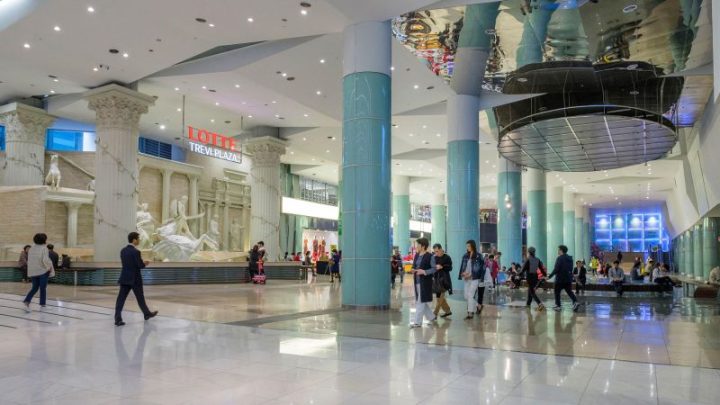
Seoul’s Jongno 3-Ga has received a major global distinction after Time Out named it the world’s coolest neighborhood for this year. The area stands out for its small shops, cafés and highly photogenic streetscapes, demonstrating how neighborhood appeal can be driven by atmosphere as much as famous landmarks.
Other neighborhoods recognized in the wider selection are found in Bogotá, Glasgow, Mumbai and Los Angeles. Their inclusion reinforces a broader travel trend: visitors are looking beyond the standard checklist of museums and monuments to seek places with character, local businesses and a strong sense of place.
South Korea offers many layers to explore beyond Seoul’s most familiar sights. The country’s culture has also been explored through food, travel and everyday life in Anthony Bourdain’s “Parts Unknown.” Farther afield in Asia, Mongolia offers not only dramatic desert scenery but also a distinctive tradition of throat singing.
Whether the goal is historical depth, social-media-ready scenery, uninterrupted sleep or a neighborhood with energy, travelers have more choices than ever. The most rewarding journeys may begin with a simple question: is this destination delivering the experience it promises?
Related Reading
Frequently Asked Questions
What is What s behind the rise?
What s behind the rise is the main topic of this guide. The article explains the context, practical details, and next steps readers should understand.
Why does What s behind the rise matter?
What s behind the rise matters because readers are looking for a useful answer, not just a short summary. Good content should match search intent and help them decide what to do next.