
Israel to withdraw from two areas in Lebanon under newly signed agreement
Israel to Withdraw from Two Areas in Lebanon, Transfer to Lebanese Military
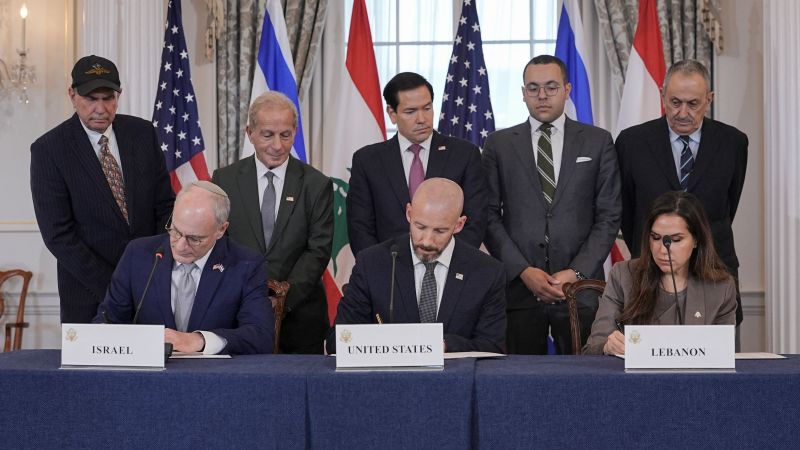
Israel to withdraw from two areas – Following four days of intense discussions in Washington, Israeli Prime Minister Benjamin Netanyahu announced that the country will begin withdrawing from two regions in southern Lebanon. This move, he stated, involves handing over these sites to the Lebanese military, marking a significant step toward reducing tensions between the two nations. The agreement, signed as part of a trilateral deal between Israel, Lebanon, and the United States, is framed as a foundation for future negotiations aimed at achieving a more comprehensive peace accord.
Framework for Future Talks
The newly signed accord, according to a senior Israeli official, sets the stage for “future agreement” in an effort to bridge deeper divides between Israel and Lebanon. This collaboration includes the US State Department, which has been hosting the fifth round of talks to facilitate a broader understanding between the two countries. The framework is seen as a critical milestone, especially given the long-standing conflict and the lack of formal diplomatic relations between Israel and Lebanon.
Lebanon’s Ambassador to the US, Nada Hamadeh Moawad, emphasized that the agreement represents a “first step on the road to restoring Lebanese sovereignty and territorial integrity.” She highlighted the symbolic importance of the deal, which she believes will empower Lebanon to reclaim control over its southern regions. This sentiment was echoed by US Secretary of State Marco Rubio, who described the signing as “the beginning of the beginning.” He noted that while the task ahead remains challenging, the agreement underscores the importance of the effort and the US’s commitment to supporting it.
Geographical Breakdown of the Withdrawal
Netanyahu provided specific details about the areas Israel will vacate. One region lies north of the Litani River, while the other is situated south of the river. The southern area, currently under Israeli occupation, has been a focal point of the agreement. Netanyahu explained that the IDF’s planned withdrawal would leave behind sites that are no longer strategically necessary for Israel’s defense in the region.
As part of a pilot program outlined in the latest ceasefire agreement, the Lebanese Armed Forces will take over these territories. This program is intended to test the feasibility of a long-term territorial handover and establish a framework for future cooperation. The move is expected to reduce the Israeli military presence in southern Lebanon, though Netanyahu stressed that Israel will retain control over much of the area as long as Hezbollah remains armed and active.
US Influence and Regional Implications
The US has played a pivotal role in advancing the talks, with the Trump administration actively pushing for a broader peace agreement. This includes the fifth round of negotiations hosted by the State Department, which brought together Israeli and Lebanese officials. The agreement is viewed as a direct response to Iran’s pressure on Israel to withdraw from southern Lebanon, according to Netanyahu. He framed the deal as a “major blow to Iran,” asserting that the US, Israel, and Lebanon are collectively challenging Iran’s influence in the region.
Netanyahu also highlighted the broader implications for regional security, stating that the agreement supports the people of Lebanon and Israel in their quest for peace and stability. He described the withdrawal as a strategic decision that aligns with Israel’s interests while addressing Lebanese concerns. However, the agreement has not been without controversy, particularly among Hezbollah supporters who see it as a concession to the enemy.
Hezbollah’s Rejection of the Deal
Hezbollah, a Iran-backed militant group, has publicly opposed the agreement. Hassan Fadallah, a member of Lebanon’s parliament representing the party, criticized the deal as a betrayal of Lebanese sovereignty. He called for the government to “retract these negotiations and all the decisions they have made against their people,” arguing that the agreement undermines Lebanese interests. Fadallah further accused those involved in the talks of collaborating with Israel, stating, “Whoever shakes hands with the enemy is a criminal like them.”
Fadallah’s remarks were made in an interview with the pro-Hezbollah news channel Al-Mayadeen, reflecting the group’s strong stance against the deal. Hezbollah has long been a key player in Lebanon’s political landscape, and its influence is seen as a major factor in the country’s relations with Israel. The group’s rejection of direct negotiations with Israel has complicated the peace process, but the new agreement signals a shift in strategy for both sides.
Historical Context and Ongoing Challenges
Israel’s presence in southern Lebanon has been a point of contention for decades, with the territory serving as a strategic buffer against Hezbollah attacks. The current agreement follows a series of ceasefire talks that have aimed to reduce hostilities. Previously, the IDF had announced a temporary reduction in forces in Lebanon, though the details of this move did not explicitly mention pulling back from occupied land. The decision to formalize the withdrawal now appears to be a step toward a more permanent arrangement.
Lebanon’s President Joseph Aoun praised the Trump administration for hosting the negotiations, calling the agreement a triumph for Lebanese sovereignty. In a statement after the signing, Aoun said the deal allows the people of Lebanon to “return to their fully liberated land … under sovereignty of a Lebanese state that has no partner in its sovereignty over its land and its people.” This reference to Iran’s influence through Hezbollah underscores the political complexity of the situation.
Despite the progress made, challenges remain. The agreement does not guarantee a full resolution of the conflict, as Hezbollah’s role and the status of the ceasefire are still under negotiation. Analysts suggest that the deal is a tentative move, with both nations seeking to build trust before committing to a more permanent peace. The US’s continued involvement is seen as crucial, given its diplomatic and strategic interests in the region.
Next Steps and the Road Ahead
The agreement is set to be implemented as part of a pilot program, with the hope of replicating success in other areas of conflict. However, the process will require careful coordination between Israel and Lebanon to ensure a smooth transition. The US has expressed confidence in the deal, with Rubio emphasizing the importance of the effort to stabilize the region. The success of this framework will depend on the ability of both parties to uphold their commitments and address lingering concerns.
CNN previously reported that Israel is considering symbolic withdrawals from occupied territory as a gesture of goodwill to Lebanon. While the current agreement includes specific areas, it is unclear whether this will lead to further reductions in the Israeli military presence. The deal also has implications for regional alliances, as it signals a potential realignment of forces in the Middle East. As the situation develops, ongoing dialogue and cooperation will be essential to solidify the peace process and address the needs of both nations.
This is a developing story and will be updated as new information emerges.
