Why Buckingham Palace’s bearskin caps might soon be a relic of the past

Daftar Isi
Pressure Grows to Replace Real Fur in Buckingham Palace’s Iconic Guards’ Caps
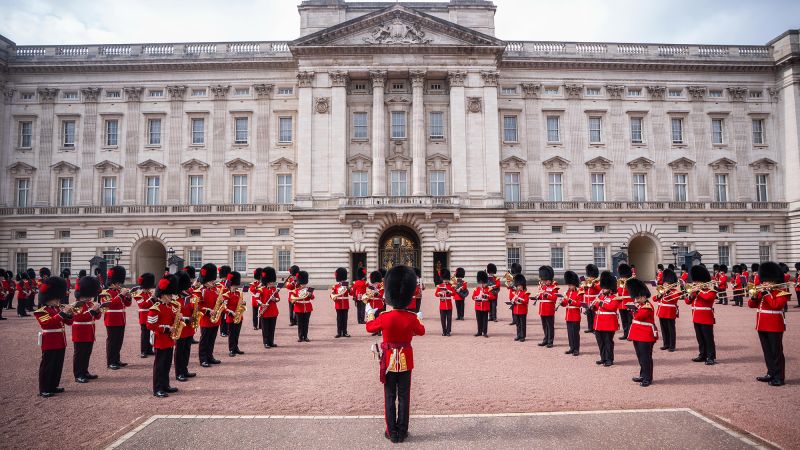
Earthguardiansonline.com – The towering black caps worn by soldiers outside Buckingham Palace have long been part of London’s ceremonial image. Paired with bright red tunics, they are instantly associated with the King’s Guard, royal pageantry and major state occasions. Yet the traditional headwear is facing renewed scrutiny because it is made with real bear fur.
A cross-party group of British parliamentarians is urging the government to stop using bear pelts for the ceremonial caps and move to a convincing synthetic material. Their appeal, sent this week to Defence Minister Luke Pollard, was signed by 18 members of Parliament and one member of the House of Lords.
The lawmakers said the continued use of genuine bearskin is out of step with modern expectations on animal welfare. They want the Ministry of Defence and its suppliers to actively develop and adopt an artificial-fur replacement, while ending new purchases of real-fur caps during that work.
“Most urgently, while this process continues, bears are still being shot with crossbows and killed, their cubs orphaned, and their pelts used to produce new caps.”
Calls for a Faux-Fur Alternative
The fur used in the caps comes from bears killed in legal culls in Canada. Critics argue that a ceremonial uniform does not justify demand for animal pelts, particularly when synthetic textile technology may be capable of delivering a similar appearance.
The letter asks the Ministry of Defence to work with manufacturers on a replacement that reflects the government’s stated commitment to improving animal welfare. Its signatories described real bearskin as “impossible to justify” and said future orders should be paused while suitable alternatives are pursued.
People for the Ethical Treatment of Animals UK has campaigned for years against the use of bearskin in British military ceremonial dress. Freedom of Information material cited by the organization indicated that 22 caps were ordered in 2024, followed by 96 orders in 2025.
During a 2024 campaign, PETA UK said that at least one bear skin is required for each cap. It estimated that the 526 bearskin hats acquired by the Ministry of Defence from 2017 through July 2024 represented at least the same number of bears killed.
The group has renewed its demand for change following the parliamentarians’ intervention.
“The MoD must urgently dedicate its resources to finding a faux fur and end the UK’s support for the slaughter of wildlife overseas.”
Why Replacing the Material Is Not Straightforward
The Ministry of Defence has said it supports the idea of replacing real bearskin with a faux-fur version. However, the department maintains that a substitute must meet demanding practical standards before it can be introduced for guards on ceremonial duty.
Any proposed fabric must satisfy five specific tests: water absorption, water penetration, visual appearance, drying speed and resistance to compression. These details matter because guards often stand outdoors for extended periods in highly visible ceremonial roles, where the caps must retain their shape and present a consistent appearance.
Serving guards must also approve any replacement. The material needs to be safe, comfortable and capable of maintaining the distinctive silhouette required for formal duties. Officials would additionally consider durability, environmental sustainability, price and whether the material remains suitable over the long term.
The ministry has indicated that it would be willing to resume collaboration with PETA on an alternative if the organization chooses to re-engage. The issue therefore is not simply whether synthetic fur can look sufficiently close to bearskin from a distance. It is whether it can withstand rain, recover after compression, dry properly and perform reliably through years of use.
A Military Tradition With Battlefield Origins
The caps date to the early 19th century, when their purpose was more intimidating than decorative. Their height was intended to make soldiers look taller and more formidable on the battlefield. Today, they are built around wicker frames and rise to roughly 45 centimetres, or 18 inches.
They are most closely linked to the King’s Guard, whose soldiers protect royal residences including Buckingham Palace. The caps also appear at some of the United Kingdom’s most prominent ceremonial events, such as Trooping the Colour, formally known as the King’s Birthday Parade, and the State Opening of Parliament.
The King’s Guard is drawn from the British Army’s five Foot Guards regiments: the Grenadier Guards, Coldstream Guards, Scots Guards, Irish Guards and Welsh Guards. Members of each regiment wear the distinctive caps when undertaking relevant ceremonial duties.
Maintaining the headwear is a specialized task. The Welsh Guards have said the fur is brushed, steamed and shampooed to preserve its clean appearance and structure. With careful upkeep, individual caps can remain in active use for decades; some currently worn are more than 40 years old.
Cost and the Wider Debate
Cost has added another dimension to the argument. The government stated in April that procuring one bearskin cap costs approximately £2,460, or about $3,300. PETA UK estimated that spending on these caps exceeded £1 million, around $1.3 million, between 2017 and 2024.
Supporters of retaining the caps point to their historic role and their durability when properly maintained. Those seeking replacement materials argue that tradition can be preserved without continuing to rely on bear fur, provided a synthetic option meets military standards.
The debate now places the Ministry of Defence in a position familiar to many institutions with long-established ceremonial practices: preserving visual heritage while responding to changing ethical expectations. A successful faux-fur cap would allow the guards’ celebrated appearance to continue, while potentially ending the connection between the uniform and bear culls overseas.
Related Reading
Frequently Asked Questions
What is Why Buckingham Palace s bearskin caps?
Why Buckingham Palace s bearskin caps is the main topic of this guide. The article explains the context, practical details, and next steps readers should understand.
Why does Why Buckingham Palace s bearskin caps matter?
Why Buckingham Palace s bearskin caps matters because readers are looking for a useful answer, not just a short summary. Good content should match search intent and help them decide what to do next.