
A widespread, searing heat dome and an extreme fire threat are expected as a major US weather pattern change unfolds
A widespread, searing heat dome and an extreme fire threat are expected as a major US weather pattern change unfolds
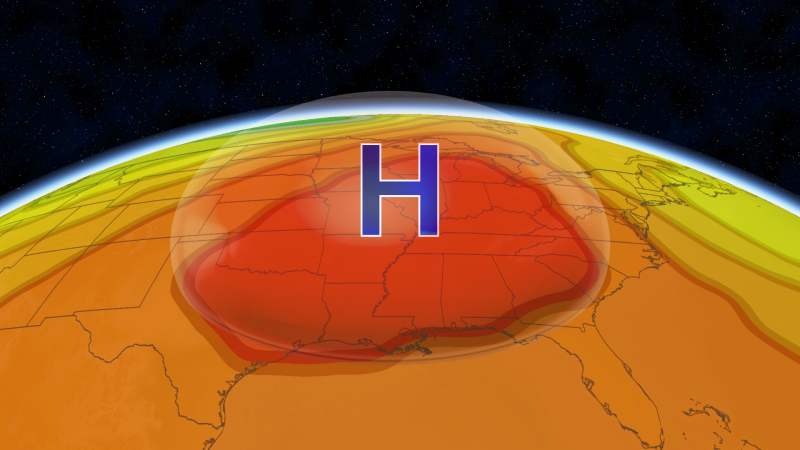
A widespread searing heat dome – A powerful heat dome is set to deliver scorching temperatures and oppressive humidity to the eastern half of the United States, marking the region’s most extensive heat event of the summer. This phenomenon, driven by a significant shift in the jet stream, will also trigger a notable cooldown in the western states, accompanied by strong winds that could worsen fire conditions in Utah and nearby areas. As the heat dome solidifies, its effects will expand eastward, impacting major cities and creating a prolonged period of extreme weather.
Regional Impacts of the Heat Wave
Chicago, Detroit, St. Louis, Dallas, and Nashville are among the cities likely to experience record-breaking heat by early next week. Temperatures in these locations could surpass previous annual highs, with the heat index—accounting for humidity—pushing “feels-like” temperatures into the 100s and even reaching 115°F in some spots. The humid air, which will surge from the South into the Midwest, will further intensify the discomfort, making the weather feel more oppressive than the actual measured temperatures.
“Heat and humidity will intensify in the South this weekend and then expand northward toward the Midwest and Great Lakes by early next week,” stated the National Weather Service. “Millions will see their so-called ‘feels-like’ temperatures hit 100 to 110 degrees, with some areas peaking at 115°F.”
By midweek, the heat wave’s influence will stretch into the Northeast, affecting cities like New York City, Pittsburgh, and Washington, DC. While the South may see temperatures in the upper 90s to near 100°F, the Midwest and parts of the Mid-Atlantic will remain in the low to mid-90s. A World Cup match at New York New Jersey Stadium on Tuesday could face sweltering conditions, with temperatures in the upper 80s and a heat index in the lower 90s.
Global Context of Intensifying Heat Waves
The current heat event is part of a growing trend of more frequent and severe heat waves worldwide, attributed to human-induced climate change. Recent examples include the record-shattering heat waves in Europe and the western US, both of which underscore the increasing vulnerability of regions to extreme weather. Although this week’s heat dome may not match those past extremes in terms of record-breaking temperatures, its duration and intensity will pose a significant risk.
“Heat waves are becoming more harsh and frequent due to fossil fuel pollution and global warming,” noted the National Weather Service. “This upcoming event will be scorching for days and no less dangerous, despite not surpassing previous records in most areas.”
Fire Weather Risks in the West
While the eastern US braces for heat, the western regions face a contrasting situation. A cooldown in the West, linked to the same jet stream shift, will bring cooler temperatures to areas like California and Oregon. However, the same winds that aid in cooling will fuel fire weather in Utah, where a large, destructive blaze is currently burning, and in neighboring states. The National Weather Service has issued a Level 3 of 3 fire weather warning for Friday, covering central and southern Utah, northern Arizona, and eastern Nevada. This marks the first-ever “particularly dangerous situation” red flag warning in Salt Lake City, signaling the severity of the threat.
Fire conditions will be exacerbated by the combination of high temperatures, low humidity, and strong gusts, creating an environment ripe for rapid fire spread. Emergency services are preparing for increased incidents, particularly in areas already under strain from ongoing wildfires. The NWS warns that the heat index will soar to hazardous levels as the dome stagnates, trapping hot air for days and leaving little respite for vulnerable populations.
Health Impacts and Long-Term Trends
With tens of millions of people in the Deep South to parts of Minnesota, Wisconsin, and Michigan facing “major” or “extreme” heat risks, the health implications are dire. The Centers for Disease Control and Prevention reports that prolonged exposure to extreme heat can lead to illnesses such as heat exhaustion, heat cramps, and heat stroke. Emergency room visits for heat-related conditions are expected to rise sharply during “major” and “extreme” risk days.
“Heat is the deadliest type of weather in the US, with a higher annual average death toll than tornadoes, hurricanes, and lightning combined,” according to NWS statistics. This highlights the critical need for preparedness, especially in urban areas where nighttime temperatures may struggle to drop below the lower-to-middle 70s. The lack of nighttime cooling could increase the risk of heat-related illnesses for those without access to adequate shelter or hydration.
The heat dome’s persistence is uncertain, but it could begin to shift westward toward the Plains by the Fourth of July weekend. While the South may retain its hot and sticky conditions, the Midwest, Great Lakes, and Northeast might see a slight easing of the heat during the holiday period. This first widespread heat wave coincides with the central and eastern US entering their traditional hottest season, though the Southern Plains and Lower Mississippi Valley typically peak in August.
As the heat dome evolves, its effects will serve as a reminder of the changing climate’s impact on weather patterns. The interplay between regional shifts and global warming is making extreme events more common, challenging communities to adapt. With temperatures set to rise and humidity levels to stay high, the coming days will test the resilience of millions across the country. The NWS continues to monitor the situation closely, urging residents to stay informed and take precautions to mitigate the risks.
Preparing for the Future of Heat
Experts warn that such heat waves will become more frequent and intense in the coming decades, driven by rising global temperatures. The current event, while not the most extreme on record, highlights the need for long-term strategies to address climate change. From urban heat islands to agricultural disruptions, the consequences of sustained high temperatures are far-reaching.
“This is a harbinger of what’s to come,” said a meteorologist. “As we see more heat domes and prolonged high-pressure systems, the challenge will be managing both the immediate dangers and the cumulative effects on ecosystems and infrastructure.” The combination of high heat and humidity will not only test human endurance but also strain energy systems and increase the likelihood of wildfires spreading rapidly. With the National Weather Service issuing warnings and the CDC emphasizing health risks, the focus remains on mitigating the impact of this heat wave and preparing for future extremes.
