
Why Seattle’s Pride match has caused outrage for the two teams playing in it
Seattle’s Pride Match Sparks Controversy Between Iran and Egypt
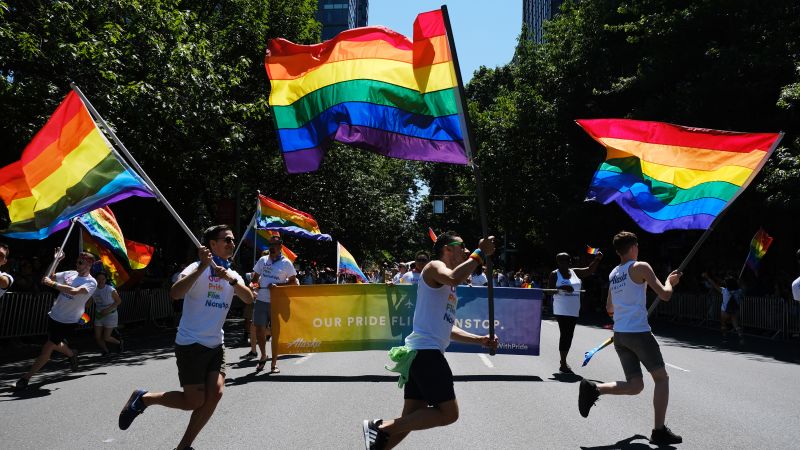
Why Seattle s Pride match has caused – As the FIFA World Cup 2026 progresses, one of its most talked-about events has been the match between Iran and Egypt at Lumen Field in Seattle. Originally scheduled to take place during the Pride Weekend, this game has become a symbol of broader cultural and political tensions. The decision to align the match with Seattle’s annual Pride celebrations was announced in December 2023, well before the World Cup draw finalized the pairings. Local organizers, under the banner of Seattle World Cup 26 (SeattleFWC26), argued that the event would celebrate diversity and inclusivity, offering a platform to honor the vibrant LGBTQ+ community in the Pacific Northwest.
A Controversial Celebration
The plan to host the game as a “Pride Match” has drawn mixed reactions. While SeattleFWC26 emphasizes the event’s role in promoting unity and representation, some critics view it as a clash of values. Iran’s national team faces scrutiny for its strict laws against homosexuality, which can lead to imprisonment or even execution. Egypt, though more lenient in its legal framework, still imposes penalties for public displays of same-sex behavior under public decency laws. The soccer federations of both teams have expressed concerns, urging FIFA to intervene. However, the match’s inclusion in Pride festivities was a decision made independently by local organizers, who believe the event could bridge cultural divides.
“Football has a unique power to unite people across borders, cultures, and beliefs,” said Hana Tadesse, communications vice president for SeattleFWC26, in late 2023. “The Pacific Northwest is home to one of the nation’s largest Iranian-American communities, a thriving Egyptian diaspora, and rich communities representing all nations we’re hosting in Seattle. We’re committed to ensuring all residents and visitors experience the warmth, respect, and dignity that defines our region.”
The US Team’s Setback
Meanwhile, the U.S. men’s national team is grappling with its own challenges. After a heart-wrenching 3-2 loss to Turkey in a Group C match, the team’s hopes for a deep run in the tournament have taken a hit. Though the defeat was unexpected, the Americans remain in the Round of 32, set to face Bosnia and Herzegovina. The path forward will require resilience, as the team must recover from the blow and prove they can still compete at the highest level. Despite the loss, optimism persists, with analysts noting that the U.S. still has the potential to advance.
FIFA’s Role and the Stadium Code
FIFA, the governing body of international soccer, has acknowledged the Pride Match as an example of the World Cup’s role in fostering inclusivity. In a statement to CNN Sports, the organization confirmed that rainbow flags will be allowed in stadiums “provided they are used in a manner consistent with the code.” This includes general statements of human rights, such as flags representing sexual orientation and gender identity. While FIFA can’t dictate the cultural themes of individual matches, it has expressed support for the event’s inclusion of diverse perspectives.
Yet, the situation remains complex. For Iran, the presence of rainbow flags in the stadium may feel like a direct challenge to its conservative values. The team’s captain, a prominent figure in Iranian soccer, has previously criticized the event, calling it a “misrepresentation” of the country’s identity. Egypt’s federation, while less vocal, has also voiced reservations, with some players questioning whether the Pride Match could undermine their own national pride. Despite these objections, SeattleFWC26 stands by its decision, framing it as a celebration of shared human values.
The Match’s Dual Significance
The game between Iran and Egypt is more than just a sporting event. For the teams involved, it’s a chance to make a statement about their national identity and the values they represent. Iran, known for its strict policies on LGBTQ+ rights, faces pressure to show solidarity with the global community, even as it defends its own traditions. Egypt, which has seen gradual progress in LGBTQ+ acceptance, finds itself in a delicate position, balancing its reputation as a more progressive nation with its legal stance on public decency.
At the same time, the match is a platform for local activism. SeattleFWC26 has planned a series of activities, including art competitions and street parties, to highlight the city’s commitment to diversity. The presence of rainbow flags, LGBTQ+ themed merchandise, and inclusive messaging is expected to create a festive atmosphere that contrasts with the teams’ home countries. Supporters from both Iran and Egypt have been invited to the stadium, adding a layer of cultural exchange to the event. However, some fans may feel uneasy, knowing that their country’s stance on same-sex relationships could be symbolically challenged.
Global Implications
This controversy underscores the growing role of sports in addressing social issues. The Pride Match in Seattle is part of a trend where stadiums have become stages for activism, from anti-racism campaigns to climate change awareness. By aligning the game with Pride Weekend, organizers have created a unique opportunity to spotlight the intersection of sports and social justice. Yet, it also highlights the tension between global inclusivity and national pride.
For the players, the match is a test of adaptability. Some have expressed support for the event, seeing it as a chance to celebrate diversity and human rights. Others, particularly those from Iran, have warned that the game could be used as a political tool. Regardless of their personal views, the players must focus on the competition, knowing that their performance will define their legacy in this World Cup. For the fans, the event offers a chance to engage with their teams in a new way, whether through pride or protest.
Other Matches and Key Upcoming Fixtures
Elsewhere in the tournament, the match between France and Norway at BMO Field in Toronto has also captured attention. Both teams are guaranteed progression to the knockout rounds, with the winner securing a favorable draw and the runner-up facing a tougher challenge. France’s players, however, are not taking the game lightly. Star striker Erling Haaland, who recently helped Norway clinch its place in the next stage, was asked about the stakes of the clash. “I couldn’t care too much,” he remarked. “They’re probably going to win against us, they’re probably going to win the whole tournament.” His blunt honesty has sparked debate, with some interpreting his comments as a sign of confidence, while others see them as a hint of strategic mindset.
Similarly, in Boston, the match between France and Norway at Gillette Stadium has drawn interest from fans and analysts alike. The game’s outcome will determine which team faces a more challenging path in the Round of 32. As the World Cup continues to unfold, events like these will shape the narrative around the tournament, proving that it is not just about scoring goals but also about uniting people under a shared banner of global sportsmanship.
Seattle’s Pride Match remains a focal point of discussion, reminding everyone that the World Cup is a stage for more than just athletic competition. It’s a reflection of the world’s complexities, where sports can both celebrate and challenge the values of the nations it brings together. As the game approaches, the focus will shift to the pitch, but the conversations it has sparked will linger long after the final whistle.
