
Exclusive: West Coast emergency oil reserve sparks pushback from Senate Democrats
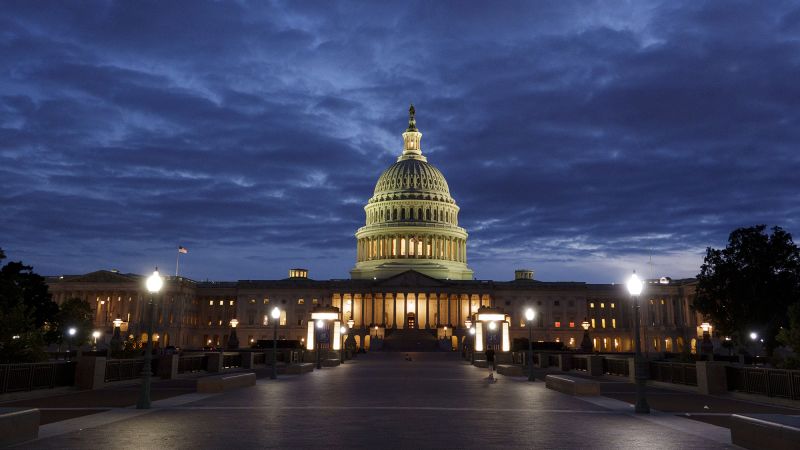
Exclusive: Senate Democrats Challenge West Coast Oil Reserve Plan
Exclusive – Senate Democrats have raised concerns about a proposed emergency oil reserve on the West Coast, urging the Trump administration to pause its plans. Senators Alex Padilla and Patty Murray sent a letter to Energy Secretary Chris Wright, warning that the initiative could bypass Congress and alter energy policy without proper oversight. The lawmakers argue the move violates existing laws, particularly the Fiscal Year 2026 Energy and Water Appropriations bill, which requires legislative approval for regional reserves. Their exclusive report to CNN highlights the potential for executive overreach, emphasizing the need for congressional input before any new reserve is established.
Sable Offshore’s Plan Sparks Debate
Exclusive: The proposal for a West Coast oil reserve was introduced by Sable Offshore Corp, a private company seeking to bolster the Strategic Petroleum Reserve (SPR) in California. While the federal SPR has been drawn down due to global tensions with Russia and Iran, Sable’s initiative aims to create a localized backup supply. The company claims the project is necessary to stabilize California’s energy market, which faces unique challenges like smog-reducing fuel specifications and limited pipeline access. However, critics argue the plan may prioritize corporate interests over broader national needs, raising questions about its strategic value.
Exclusive to Politico, Sable stated that its plan aligns with the Trump administration’s efforts to secure oil and gas supplies for California. The company’s collaboration with federal officials suggests a shared goal of addressing regional energy insecurity. Yet, without clear justification or funding, the proposal has drawn skepticism from lawmakers. Padilla’s spokesperson noted the initiative appears to be a “unilateral move” by the administration, potentially sidelining the role of Congress in energy decision-making. This highlights a growing tension between executive action and legislative authority.
Legal and Financial Risks
Exclusive: Senate Democrats point to a key legal obstacle—the 2026 appropriations bill, which explicitly mandates congressional funding for new petroleum reserves. The current fiscal year’s budget, released in May, did not include funds for this initiative, making its implementation without approval a potential violation. The senators emphasize that the Energy Department’s authority should be constrained by existing legal frameworks, not expanded through executive decrees. “This is a direct conflict with congressional intent,” one of the senators said, underscoring the importance of legislative validation.
Exclusive: The administration’s push for the West Coast reserve has also drawn scrutiny over its financial implications. Critics argue the project could strain the federal budget, especially with the SPR already facing depletion. Meanwhile, the Trump team frames the initiative as a critical step to safeguard California’s energy supply. Energy Secretary Chris Wright, who confirmed the plan to Politico, emphasized the state’s role as a Pacific military hub, suggesting its strategic location justifies the expansion. However, opponents say the urgency is overstated and the plan lacks a solid foundation in law or economics.
California’s Energy Challenges
Exclusive: California’s energy vulnerabilities have intensified the debate. The state’s reliance on local production and specific fuel standards, designed to cut smog, makes it more susceptible to supply shocks. Combined with limited pipeline connectivity, these factors could heighten the impact of geopolitical disruptions or natural disasters. The recent closure of the Strait of Hormuz in the Iran War has already caused oil price fluctuations, reinforcing the argument for a regional reserve. Yet, the Democrats contend that the administration’s rush to act may not address the root causes of California’s energy risks.
Exclusive: While the Trump administration highlights the reserve’s role in enhancing national security, some analysts question its effectiveness. Tom Kloza, an oil expert, called the plan “a bit of a pipe dream,” suggesting it’s more of a political gesture than a practical solution. The California Governor’s office has also voiced support for the initiative, though details remain unclear. This divergence in perspectives underscores the complexity of the issue, with lawmakers, corporations, and officials each offering different rationales for the project’s necessity.
