
Hegseth announces review of US forces in Europe and again criticizes NATO allies
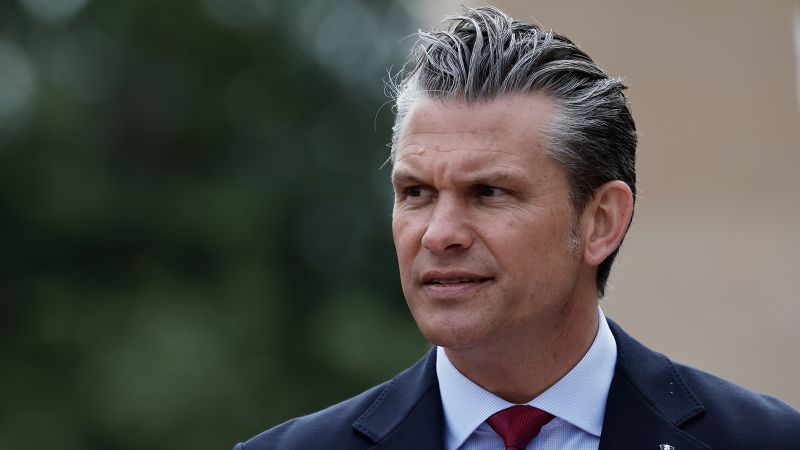
Defense Secretary Hegseth Launches Comprehensive Review of US Forces in Europe
Hegseth announces review of US forces – On Thursday, US Defense Secretary Pete Hegseth took a firm stance on NATO’s evolving role, echoing the assertive policies of the Trump administration. He announced a six-month evaluation of the military presence in Europe, emphasizing the need for the alliance to shift focus toward European defense. This move underscores a continued push to challenge NATO allies on their commitments, particularly regarding financial and operational contributions to collective security.
Rhetoric Amid Strategic Shifts
Hegseth’s speech at the NATO defense ministers’ meeting in Brussels highlighted his determination to ensure the alliance moves “irreversibly” toward European responsibility. “This will be a real review,” he stated, aiming to assess how well the alliance aligns with its core mission. The review, he said, would analyze the placement and size of American forces across the region, framing it as a step to restore NATO’s focus on “hard power and real deterrence.”
“It’s a review that some countries will fail and others will pass with flying colours,” Hegseth remarked, signaling a potential distinction between allies based on their performance.
The timing of the review is significant, as Europe has been grappling with statements from Trump-era officials about reducing the number of US troops and equipment stationed there. Hegseth’s initiative follows a broader trend of questioning NATO’s effectiveness, with US leaders frequently accusing European partners of relying too heavily on American military support.
NATO’s Force Model Adjustments
NATO Secretary-General Mark Rutte recently confirmed that the US had scaled back its contributions to the alliance’s force model. This framework dictates how joint forces and war plans are structured, and Rutte noted the adjustment was based on a reassessment of Europe’s capacity to handle conventional forces. “European allies and Canada are ready, willing, and able to do more,” he explained, insisting that the US remains committed to the alliance despite the cuts.
Rutte’s remarks downplayed the immediate impact of the reductions, highlighting the resilience of European nations. However, Hegseth’s review suggests a more critical perspective. He framed the move as a necessary correction to ensure NATO’s ability to respond swiftly to threats, particularly in light of ongoing tensions in the Middle East.
“This will be designed to ensure that NATO is moving fast and irreversibly towards Europe stepping up to take primary responsibility for the defense of Europe,” Hegseth declared, setting the tone for a strategic reorientation.
Withdrawals and Operational Cuts
The Pentagon’s recent actions have further fueled concerns about the US military’s presence in Europe. Sources told CNN that Hegseth had canceled two deployments to the continent and ordered the removal of personnel, signaling a possible reduction in operational readiness. Specifically, the department announced plans to withdraw approximately 5,000 troops from Germany over the next year, a move that has drawn attention from European officials.
This decision followed a disagreement with German Chancellor Friedrich Merz, who criticized the US for being “humiliated” by Iran during prolonged negotiations. Trump had previously threatened additional cuts in response, highlighting the administration’s frustration with perceived weaknesses in European commitments. Hegseth’s review appears to align with this sentiment, targeting allies that have not met their defense spending or operational targets.
European Allies’ Rising Commitments
European nations, however, have made strides in boosting their military investments. Last year, they collectively pledged to increase defense spending to 5% of their gross domestic product by 2035, doubling the earlier 2% goal. This shift reflects growing recognition of the need for self-reliance in security matters, particularly as tensions with Iran and other regional actors persist.
Despite these commitments, Hegseth’s review suggests skepticism about the pace of progress. His focus on the war in Iran indicates a belief that NATO allies have not fully embraced the alliance’s role in global conflicts. The review’s emphasis on “primary responsibility” for European defense hints at a vision where the continent takes a more active lead, with the US playing a supportive but diminishing role.
Long-Term Implications for NATO
Analysts argue that Hegseth’s initiative could reshape NATO’s strategic priorities. By prioritizing a force posture that reflects European capabilities, the review may encourage a more balanced distribution of responsibilities. Yet, it also raises questions about the US’s continued engagement in the alliance, especially as debates over military spending and operational commitments intensify.
Europe’s recent investments in defense are seen as a positive development, but Hegseth’s comments suggest that the US remains vigilant. His characterization of the review as a “transformation” of NATO into a stronger military alliance highlights the administration’s desire to ensure that the organization remains effective in both conventional and nuclear deterrence. This aligns with Trump’s legacy of emphasizing military readiness and strategic independence.
As the review progresses, its outcome will likely influence future NATO decisions. European allies may face pressure to demonstrate greater commitment to collective defense, while the US could use the findings to justify further reductions in its military presence. The dynamic between the two sides remains a critical factor in shaping the alliance’s direction, with Hegseth’s actions marking a pivotal moment in the ongoing evolution of NATO’s role in global security.
The review also coincides with broader strategic adjustments in the US military. For instance, a future deployment of a rocket battalion to Germany was scrapped, reinforcing the idea of a more flexible and targeted approach. While this move may reduce immediate burdens on US resources, it could also signal a shift toward a more decentralized defense strategy, with Europe taking on greater responsibility in key areas.
As the six-month evaluation unfolds, the balance of power within NATO will be tested. Hegseth’s focus on accountability and transformation aims to address long-standing concerns about the alliance’s cohesion. Whether this effort leads to renewed unity or deeper divisions remains to be seen, but the stakes are clear: Europe’s ability to meet its defense obligations will be central to the success of the review and the future of NATO’s collective mission.
