
Judge says Trump DOJ subpoenas of Tim Walz and other Democrats are unconstitutional
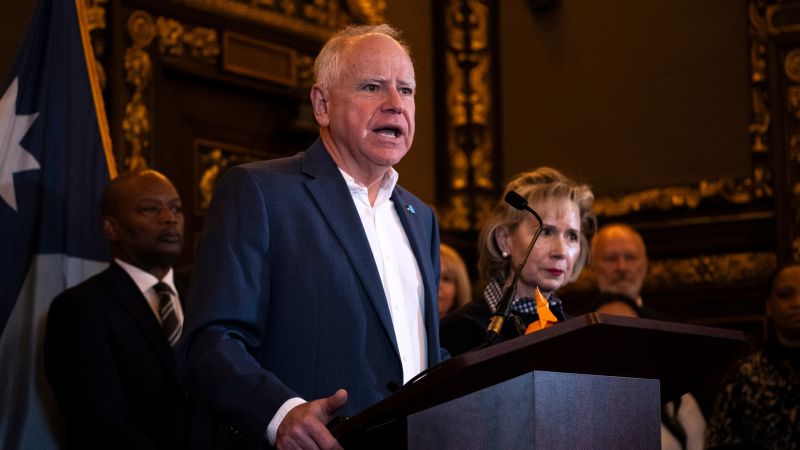
Judge Rules Trump DOJ Subpoenas Unconstitutional, Targeting Minnesota Governor Tim Walz
Judge says Trump DOJ subpoenas of Tim – A federal judge has ruled that the Trump administration’s Justice Department (DOJ) subpoenas of Minnesota Governor Tim Walz and other Democratic officials are unconstitutional. The decision, issued by District Judge Patrick Schiltz, blocked the DOJ’s effort to compel state leaders to produce records about their public resistance to the federal immigration policies under Trump’s leadership. Schiltz argued that the subpoenas were politically motivated, using legal authority to pressure officials who had opposed the administration’s immigration enforcement strategy.
Subpoenas Aim to Silence Democratic Dissent
The judge highlighted that the DOJ’s subpoenas targeted state and local officials for their defiance of Trump’s immigration agenda. Specifically, the legal action sought documents from Walz, Attorney General Keith Ellison, Minneapolis Mayor Jacob Frey, St. Paul Mayor Kaohly Her, and county officials in Ramsey and Hennepin. These officials had publicly criticized the federal immigration surge, which deployed thousands of agents to detain undocumented migrants. Schiltz found that the DOJ’s focus was not on evidence but on undermining political opposition, raising concerns about the separation of powers.
Schiltz emphasized that the Trump DOJ’s subpoena strategy exceeded its constitutional authority. He stated that the department had failed to demonstrate a clear, lawful reason for compelling state leaders to cooperate in enforcing immigration laws. The ruling underscores how the DOJ used its legal tools to exert political pressure, a tactic critics argue has been repeated across multiple cases involving Democratic officials.
Immigration Surge Sparks Public Backlash
The Trump administration’s immigration surge in the Twin Cities intensified enforcement actions, leading to mass protests and the deaths of two U.S. citizens. Over 4,000 undocumented immigrants were arrested in Minnesota during this period, prompting state leaders to voice concerns about the policy’s impact. Walz and Frey, among others, opposed the crackdown, citing its harshness and disproportionate effects on communities.
According to the Department of Homeland Security, the surge was part of a broader effort to bolster federal immigration enforcement. However, the DOJ’s focus on political adversaries suggests that the legal action was designed to silence critics, rather than solely investigate potential obstruction of federal laws. Schiltz’s decision aligns with previous rulings that have questioned the DOJ’s use of subpoenas in political contexts.
Constitutional Challenges and Legal Framework
Underlying the ruling was a constitutional argument about the federal government’s authority to compel state officials. Schiltz contended that the DOJ lacked the power to force cooperation unless there was a specific legal justification. He noted that the department had struggled to provide a valid reason for the subpoenas, which targeted individuals for their public statements rather than concrete actions.
“The Department is not conducting a criminal investigation, but is instead using the grand jury process for other (unlawful) purposes,” Schiltz wrote. This critique fits into a pattern of federal judicial scrutiny of the Trump DOJ’s approach, which critics argue has blurred the line between law enforcement and political warfare. The ruling reinforces the importance of protecting state autonomy in policy decisions.
Political Reactions and DOJ Justifications
Following the decision, Governor Walz praised the ruling, calling it a victory against politically motivated investigations. He stated that the Trump DOJ’s subpoenas were a tool to intimidate officials who had spoken out against the administration’s policies. Other Democratic leaders echoed these sentiments, framing the legal action as part of a broader effort to suppress dissent.
The DOJ defended its actions, asserting that the subpoenas were necessary to investigate potential obstruction of immigration enforcement. Officials argued that the legal process was justified by the need to ensure compliance with federal policies. However, the judge’s ruling challenges this narrative, suggesting that the subpoenas were primarily aimed at political opponents rather than lawfully gathering evidence.
